


What should I do if my hand is extremely itchy?

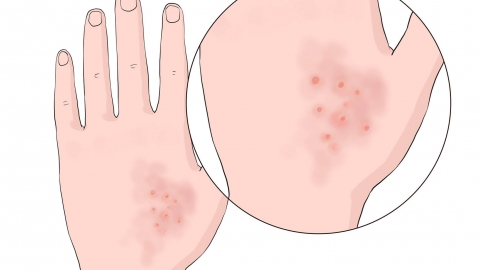
Generally, unusually itchy hands may be caused by factors such as dry and cold weather, inadequate hand care, hand eczema, contact dermatitis, or tinea manuum (fungal infection of the hands). It is recommended to seek medical attention promptly, identify the underlying cause, and then improve symptoms under a doctor's guidance through general care, medication, and other treatments. A detailed analysis is as follows:
1. Dry and Cold Climate: In low-temperature environments, blood vessels in the hands constrict, sweat secretion decreases, and skin moisture is lost more rapidly, damaging the skin barrier and causing itching. Wear lined gloves when going outdoors to avoid direct exposure to cold wind. Apply glycerin-based hand cream immediately after washing hands, and consider applying a thick layer of hand cream before bed followed by wearing cotton gloves.
2. Inadequate Hand Care: Frequent use of soaps and disinfectants without timely moisturizing can lead to dry, flaky, and itchy skin. Switch to a mild, soap-free hand wash, reduce the frequency of disinfection, and apply moisturizers such as petroleum jelly-based hand cream, vitamin E lotion, or lanolin ointment within three minutes after each hand wash.
3. Hand Eczema: Inflammation triggered by genetic factors or external irritants manifests as dryness, redness, and itching on the hands; small bumps may easily develop after scratching. Avoid scratching and contact with detergents. Follow medical advice to use topical medications such as hydrocortisone cream, desonide cream, or mometasone furoate cream, and keep hands dry.
4. Contact Dermatitis: Exposure to allergens or irritants such as metals or cosmetics can cause itchy bumps and redness on the hands. Immediately discontinue contact with the triggering substance, rinse off any residue with water, and follow medical instructions to take oral antihistamines such as loratadine tablets, cetirizine hydrochloride drops, or ebastine tablets. Use calamine lotion topically to relieve itching.
5. Tinea Manuum (Hand Fungus): A fungal infection of the hand skin that initially presents as blisters, which become dry and scaly after breaking, accompanied by significant itching and is contagious. Avoid sharing towels or gloves with others. Follow medical advice to use antifungal creams such as clotrimazole cream, terbinafine hydrochloride cream, or bifonazole cream, and continue treatment for one week after symptoms have resolved.
In daily life, increase intake of foods rich in vitamin A, such as animal liver and carrots. Wear waterproof gloves when doing household chores to minimize contact between hands and water or chemicals. Avoid washing itchy areas with hot water; instead, promote recovery of hand skin through proper, science-based care.


