


What should I do if there are small blisters under the top layer of skin on my fingers?

Small blisters under the surface of the skin on fingers are generally caused by frequent contact with irritants, excessive hand sweating, dyshidrotic eczema (pompholyx), tinea manuum (fungal infection of the hands), or contact dermatitis. It is recommended to seek medical attention promptly, identify the underlying cause, and then improve the condition through general management and medication as directed by a physician. Specific analyses are as follows:
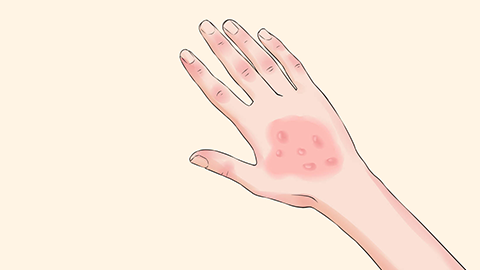
1. Frequent contact with irritants: Long-term exposure to detergents, chemical reagents, and similar substances can damage the skin barrier on fingers, leading to inflammation and blister formation, often accompanied by dryness and stinging. Immediately discontinue contact with irritants. Wear waterproof gloves when doing household chores, clean hands with a gentle hand wash, and apply vitamin E moisturizing lotion to protect the skin.
2. Excessive hand sweating: During high temperatures or periods of stress, sweat glands in the hands may become overactive, causing sweat to become trapped beneath the skin and form small blisters, commonly seen on the palms and sides of fingers. Keep hands dry, carry an absorbent towel, avoid prolonged gripping of objects, and use talcum powder to reduce sweat accumulation.
3. Dyshidrotic eczema (pompholyx): Triggered by excessive sweating of the hands and feet or emotional stress, this condition causes deep-seated small blisters on the fingers, accompanied by itching. After drying, the blisters lead to flaking. Avoid scratching to prevent infection. Follow medical advice to apply topical treatments such as calamine lotion, desonide cream, or mometasone furoate cream, and maintain emotional stability.
4. Tinea manuum: A fungal infection of the finger skin, initially presenting as scattered small blisters with significant itching. After the blisters rupture, scaling occurs, and the condition is contagious. Avoid sharing towels with others and keep hands dry. Use antifungal medications such as clotrimazole cream, terbinafine hydrochloride cream, or bifonazole cream as directed by a doctor.
5. Contact dermatitis: After exposure to allergens such as metals or cosmetics, red patches and small blisters appear on the fingers, accompanied by intense itching. Immediately remove contact with the allergen and rinse off any residue with water. As prescribed by a doctor, take oral antihistamines such as loratadine tablets, cetirizine hydrochloride tablets, or ebastine tablets, and apply topical hydrocortisone butyrate cream.
Maintain a light diet and reduce intake of spicy or irritating foods. Choose cotton, breathable gloves and avoid synthetic materials that may cause friction. Apply fragrance-free hand cream promptly after washing hands to repair the skin barrier and support recovery of healthy skin on the fingers.


