


What causes pimples with white pus on the head?

Generally, pimples with white pus on the scalp may be caused by excessive sebum secretion, improper cleansing, folliculitis, secondary infection of seborrheic dermatitis, or furuncles (boils). If discomfort occurs, it is recommended to seek timely medical evaluation and treatment at a正规 hospital. Specific causes are analyzed as follows:
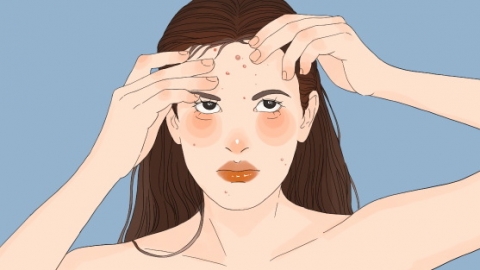
1. Excessive sebum secretion: During puberty or due to hormonal fluctuations, increased sebum production from scalp sebaceous glands can clog hair follicles and lead to pimple formation. Bacterial proliferation within the blocked follicle results in white pus. Use oil-control shampoos, reduce intake of high-sugar and high-fat foods, maintain regular sleep patterns avoiding late nights, and keep the scalp dry and clean.
2. Improper cleansing: Accumulation of dirt and sweat on the scalp over time can block hair follicles and trigger infections. Cleanse the scalp 2–3 times per week with a gentle shampoo, avoid scratching with fingernails, wash the hair promptly after exercise, and ensure the scalp remains clean and well-ventilated.
3. Folliculitis: Bacterial infection of the hair follicles causes inflammation, leading to pus formation within the follicle and resulting in white pus, often accompanied by redness and pain. Topical medications such as mupirocin ointment, fusidic acid cream, or clindamycin gel may be used under medical guidance. Be gentle when washing hair and avoid irritating the affected area.
4. Secondary infection of seborrheic dermatitis: Abnormal sebum secretion triggers inflammation; scratching can break the skin and lead to secondary infection with pus discharge, often associated with scalp itching and increased dandruff. Under a doctor’s supervision, treatments may include ketoconazole shampoo, selenium sulfide shampoo, or metronidazole gel. Avoid spicy and irritating foods.
5. Furuncle (boil): Acute bacterial infection involving the hair follicle and surrounding tissue, which spreads and forms a large abscess accompanied by significant pain. Oral antibiotics such as cefuroxime axetil tablets, amoxicillin capsules, or minocycline hydrochloride capsules may be prescribed. Once the abscess matures, incision and drainage surgery may be required. Keep the surgical site dry during recovery.
In daily life, choose mild hair care products and avoid frequent perming or dyeing. Maintain regular sleep patterns and a balanced diet. Avoid scratching the scalp when it itches. Regularly monitor scalp health and seek prompt intervention if abnormalities occur.


