


What causes a painful lump growing next to the crease of the buttocks?

Generally, the appearance of a painful lump near the butt crack may be caused by local friction, inadequate hygiene, folliculitis, perianal abscess, or pilonidal sinus. If discomfort occurs, it is recommended to seek timely medical evaluation and treatment at a正规 hospital. Detailed analysis is as follows:
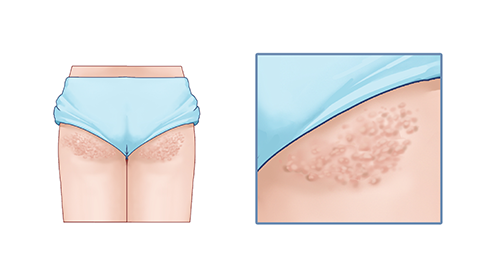
1. Local Friction
Tight clothing or prolonged sitting can cause repeated friction on the skin near the butt crack, leading to tissue damage and inflammation that forms a lump. Switch to loose, breathable cotton clothing, avoid sitting for long periods, get up and move every hour, and after washing with warm water, apply a gentle moisturizer.
2. Inadequate Hygiene
Incomplete cleaning after bowel movements leaves fecal residue that irritates the skin and may lead to local infection and lump formation. After each bowel movement, rinse the area with warm water, gently pat dry with soft toilet paper, keep the area dry, and change underwear regularly.
3. Folliculitis
Inflammation caused by bacterial invasion of hair follicles, presenting as red, painful lumps. Follow medical advice to use mupirocin ointment, fusidic acid cream, or cefuroxime axetil tablets. Avoid squeezing the lump to prevent spreading the infection.
4. Perianal Abscess
An infection of the anal glands spreads and forms an abscess, resulting in a noticeably red, swollen, hot, and painful lump, possibly accompanied by fever. Seek immediate medical attention. Surgical incision and drainage are required. After surgery, follow medical instructions to take metronidazole tablets, levofloxacin capsules, and perform sitz baths with potassium permanganate solution.
5. Pilonidal Sinus
Infection develops when hair follicles or hairs penetrate into the subcutaneous tissue, forming a painful lump that tends to recur. During active infection, follow medical advice to use clindamycin capsules, amoxicillin-clavulanate potassium tablets, or erythromycin ointment. After controlling inflammation, surgical excision of the pilonidal sinus may be considered.
In daily life, maintain cleanliness and dryness of the affected area; wear loose clothing to avoid friction; develop regular bowel habits and ensure proper hygiene after defecation; avoid prolonged sitting and engage in moderate physical activity; promptly address any lumps to prevent worsening of the condition.


