


Is it better for chemical peeling with fruit acids to form scabs or not to form scabs?

In general, whether it is better to have scabbing or no scabbing after a chemical peel with fruit acids depends on the treatment intensity and individual skin response. The specific analysis is as follows:
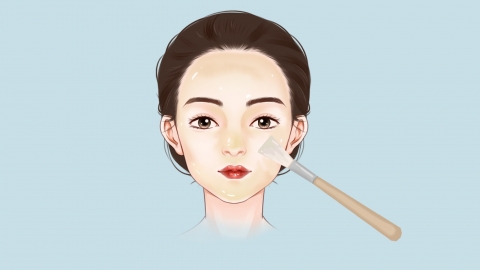
With medium to high-concentration fruit acid treatments, or when the skin's stratum corneum is thick, mild scabbing is normal and beneficial. These treatments aim to remove deeper layers of dead skin to address stubborn skin concerns. Scabs help protect the newly formed skin, reducing external irritation and the risk of infection. If the scab is thin and even, without significant redness, swelling, or pain, this indicates that the skin is healing in an orderly manner. Allowing the scab to shed naturally will reveal healthier-looking skin.
However, for low-concentration fruit acid treatments or in individuals with sensitive skin, scabbing is not desirable. Low-concentration peels are intended for gentle skin renewal and do not require deep exfoliation. Scabbing in such cases may indicate that the acid concentration was too high or that the skin is intolerant, often accompanied by redness, stinging, or discomfort. Unnecessary scabbing can prolong recovery time, and when the scab falls off, it may pull away newly regenerated skin tissue, increasing the risk of hyperpigmentation or scar formation.
After treatment, avoid rubbing or irritating the skin. If scabbing occurs, do not pick at it—allow it to slough off naturally. Strict sun protection is essential when going outdoors: apply a gentle physical sunscreen and use an umbrella for added protection to prevent UV damage to the delicate new skin. Use non-irritating moisturizers daily to maintain hydration and relieve dryness or tightness. Maintain a light diet and reduce intake of spicy foods to support smooth skin recovery.


