


Should the blood clot under a toenail be drained?

Generally, whether to drain blood accumulation under the toenail depends on the severity of the hematoma, the condition of the toenail, and whether other symptoms are present. If discomfort occurs, prompt medical attention is recommended. The detailed analysis is as follows:
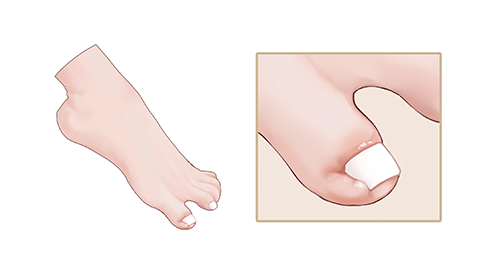
When the hematoma is extensive, associated with severe pain, or accompanied by nail bed separation, a healthcare provider may perform drainage. In such cases, the pressure from accumulated blood continuously irritates surrounding tissues, causing significant swelling and pain, and may even impair circulation. Professional puncture and drainage can rapidly relieve symptoms and reduce the risk of infection. It is important that only trained medical personnel perform this procedure using sterilized instruments to avoid infection caused by self-treatment.
If the hematoma is small, not significantly painful, and the toenail remains intact, there is no need to deliberately drain the blood. Minor hematomas can be naturally absorbed through normal bodily metabolism. Attempting to drain blood when the nail is unbroken may compromise the protective barrier of the nail and increase the risk of bacterial invasion. Simply protect the area during daily activities, avoid re-injury or compression, and the discolored portion will gradually move toward the tip of the toe as the nail grows and eventually shed off.
Apply cold compresses with an ice pack within the first 48 hours after injury to minimize bleeding; afterward, switch to warm compresses to promote absorption. Wear loose, breathable shoes and socks to prevent pressure and friction on the toes. Clean the feet daily with warm water and dry thoroughly to maintain cleanliness and dryness. When trimming nails, leave them at an appropriate length to avoid injuring the nail bed. Seek medical attention promptly if signs of infection—such as redness, warmth, swelling, discharge—or worsening pain occur.


