


Can patients with urticaria eat mulberries?

Generally, whether patients with urticaria can eat mulberries depends on their allergy status. Patients who are not allergic to mulberries may consume them in moderation, while those with allergic constitutions or a confirmed allergy to mulberries should avoid them completely. The specific analysis is as follows:
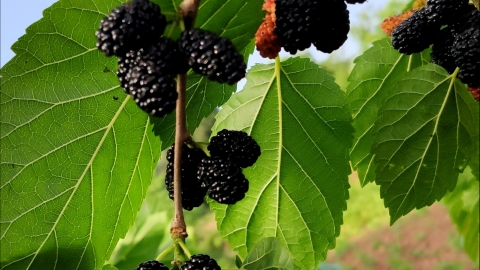
If the patient does not have an allergic constitution and has previously consumed mulberries without experiencing rashes, itching, or other discomfort, moderate consumption typically will not trigger urticaria. Mulberries are rich in vitamins, anthocyanins, and dietary fiber, providing nutritional benefits. With their mild nature, they generally do not irritate the skin or cause adverse reactions.
However, patients with allergic tendencies or those who have previously developed urticaria after eating mulberries must strictly avoid them. Certain plant proteins and organic acids in mulberries may act as allergens, stimulating the immune system and triggering reactions such as wheals and itching, thereby worsening the condition.
In daily life, individuals should clearly identify their allergens and strictly avoid exposure. Diet should be light and easily digestible, with increased intake of fresh fruits and vegetables to supplement vitamins. Maintain clean skin, avoid scratching, and wear loose, breathable cotton clothing. Maintain regular sleep patterns, avoid staying up late and emotional stress, to reduce the frequency of urticaria outbreaks.


