


What body constitution tends to develop prickly heat easily?

Generally, the tendency to develop heat rash is not determined by a single constitutional factor, but is often associated with highly active sweat glands, a weakened skin barrier, or a damp-heat constitution. Individuals with these characteristics are more prone to developing heat rash in hot and humid environments due to impaired sweat excretion. A detailed analysis is as follows:
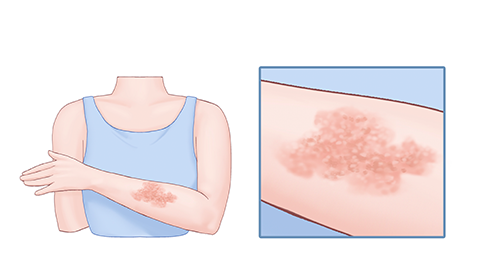
People with well-developed sweat glands or poor sweat regulation tend to produce large amounts of sweat in high temperatures. If pores become blocked, sweat cannot be expelled effectively and accumulates beneath the skin, leading to heat rash. Infants, whose skin is delicate and pores small, and elderly individuals, who experience age-related decline in sweat gland function, are particularly susceptible groups. This susceptibility is not necessarily related to "constitution" in the traditional sense.
Individuals with a damp-heat constitution tend to have excessive internal dampness, which in summer can lead to sticky, sluggish sweating that easily clogs pores. These individuals often present with symptoms such as greasy skin and thick, coated tongue苔. In hot environments, the combination of sweat and internal dampness increases the likelihood of developing heat rash and slows down recovery.
In daily life, it is important to keep the skin clean and dry, promptly wiping away sweat or showering after perspiring. Wearing loose, breathable cotton clothing helps reduce skin friction. Limit outdoor activities during peak heat, and maintain a cool, well-ventilated indoor environment.


