


Does psoriasis get worse with each recurrence?

Generally speaking, whether psoriasis relapses become progressively worse depends on individual differences and treatment management. The specifics are as follows:
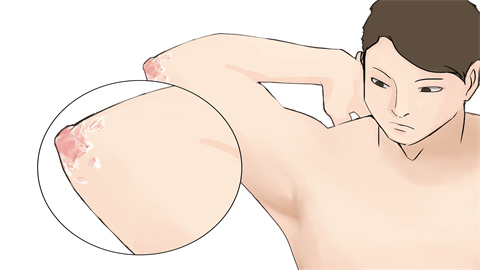
With standardized treatment and proper daily protection, psoriasis relapses do not necessarily worsen over time. After diagnosis, consistently following medical advice regarding medication—without stopping or altering treatment plans arbitrarily—and avoiding triggers such as staying up late or excessive alcohol consumption can help maintain stable symptoms upon recurrence. In many cases, symptoms may even improve, with no significant increase in skin lesion extent or itching intensity.
However, if treatment is inconsistent or there is frequent exposure to triggering factors, psoriasis relapses may indeed become more severe over time. Some individuals discontinue treatment once symptoms subside, or remain under prolonged stress or in damp environments, which can exacerbate immune system dysregulation. Upon relapse, they may experience expanded skin lesions, increased erythematous scaling, and possibly complications such as joint pain, making subsequent treatments more challenging.
To reduce the risk of recurrence, keep skin well-moisturized using gentle, hydrating products to prevent discomfort from dryness. Wear soft, breathable cotton clothing to minimize skin friction. Maintain a light, balanced diet rich in vitamin-containing fruits and vegetables, while avoiding spicy or irritating foods. Stick to a regular sleep schedule, manage emotional well-being, and engage in moderate exercise to strengthen overall health. If symptoms fluctuate, seek medical advice promptly to adjust the treatment plan.


