


How long does it take to cure artificial urticaria?
Nov 29, 2025
Source: Cainiu Health

Dr. Liu Wenmin
Introduction
In general, the recovery time for artificial urticaria varies from person to person. Acute cases often resolve within several weeks to months, while chronic cases may take several years. Proper treatment and care can help shorten the duration of the condition. In daily life, avoid scratching or rubbing the skin to minimize mechanical irritation. Wear loose, breathable cotton clothing and avoid contact with synthetic fabrics. Maintain a regular sleep schedule, avoid staying up late, and reduce mental stress.
In general, the recovery time for artificial urticaria varies from person to person. Acute cases often resolve within several weeks to months, while chronic cases may take years. Standardized treatment and proper care can help shorten the duration of illness. The details are as follows:
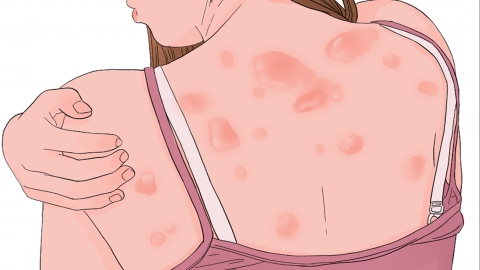
Acute artificial urticaria is often associated with identifiable triggers such as medications, food, or infections. After removing the trigger and with antihistamine treatment, most patients experience significant symptom relief within 4–6 weeks. Clinical cure can typically be achieved after continuous treatment for 2–3 months, with a relatively low recurrence rate. Patients must strictly follow medical instructions during treatment and avoid adjusting medication doses on their own.
Chronic artificial urticaria has more complex causes, often related to immune dysfunction and psychological stress. In these patients, the disease course usually lasts longer than six months, requiring long-term, consistent treatment. Treatment effectiveness is consolidated gradually by adjusting medication dosage. Some patients may require 1–3 years—or even longer—for the condition to stabilize, and a small number may experience persistent, unresolved symptoms.
In daily life, scratching and skin friction should be avoided to reduce mechanical irritation. Wear loose, breathable cotton clothing and avoid contact with synthetic fabrics. Maintain a regular sleep schedule, avoid staying up late, and minimize mental stress. Follow a light diet and avoid spicy or irritating foods to support recovery and reduce the risk of recurrence.


