


What causes red itchy spots appearing on the side of the chest, and what should be done about it?

Red spots accompanied by mild itching near the chest area may be caused by sweat irritation, clothing friction, eczema, folliculitis, or contact dermatitis. Symptoms can be improved through proper cleansing and drying, changing clothes, or medical treatment. If the number of red spots increases, itching worsens, or there is pus formation, prompt medical attention is necessary.
1. Sweat Irritation: During summer or after exercise, excessive sweating in the chest area can cause sweat to remain on the skin surface, irritating hair follicles and leading to red, itchy spots. It is recommended to clean the chest skin promptly and keep the area dry to prevent prolonged sweat accumulation.
2. Clothing Friction: Wearing tight-fitting or rough-textured clothing can repeatedly rub against the chest skin, causing localized red spots and itching. It is advisable to switch to loose, breathable cotton garments to reduce skin irritation from fabric friction.
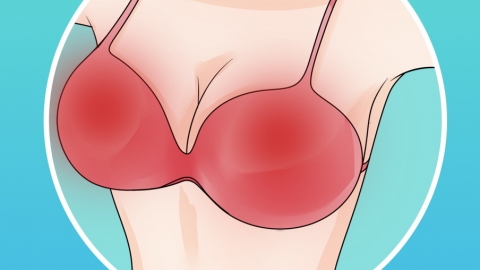
3. Eczema: Skin inflammation triggered by genetic factors or humid environments may lead to red patches and papules on the chest, with significant itching that often worsens at night. Under a doctor's guidance, medications such as calamine lotion, desonide cream, or loratadine tablets may be used to relieve symptoms.
4. Folliculitis: Bacterial infection of hair follicles in the chest area can cause inflamed, red bumps, sometimes with pus at the center, accompanied by itching and pain. Under medical supervision, patients may use mupirocin ointment, erythromycin ointment, or cefuroxime axetil tablets to alleviate discomfort.
5. Contact Dermatitis: Exposure to allergens such as synthetic fabrics or skincare products can trigger local inflammation, resulting in red spots and papules on the chest with intense itching. As directed by a physician, medications like mometasone furoate cream, cetirizine hydrochloride drops, or hydrocortisone butyrate cream may help improve symptoms.
Maintain clean and dry chest skin, wear loose and breathable clothing, avoid scratching affected areas, follow a light diet avoiding spicy and allergenic foods, use gentle skincare products appropriately, and minimize local skin irritation.


