


Normal liver function with spider angioma — what could be the cause?

Spider angiomas appearing despite normal liver function may be caused by hormonal changes during puberty, physiological regulation during pregnancy, hyperthyroidism, rheumatoid arthritis, Cushing's syndrome, and other conditions. These can be managed through observation, lifestyle adjustments, and medication. If the number of spider angiomas increases suddenly, their size expands, or they are accompanied by discomfort, prompt medical attention is necessary.
1. Hormonal changes during puberty: During adolescence, natural elevation of estrogen levels stimulates the dilation of small skin arteries, leading to spider angiomas, which commonly appear on the face, neck, and limbs without other symptoms. Regular monitoring of changes is recommended, along with maintaining a regular sleep schedule, avoiding late nights, and eating a balanced diet for adequate nutrition. No specific treatment is usually required.
2. Physiological regulation during pregnancy: Increased secretion of estrogen and progesterone during pregnancy promotes blood vessel dilation, causing some pregnant women to develop spider angiomas. These typically fade gradually after delivery as hormone levels return to normal. It is advised to maintain emotional well-being, avoid fatigue, and undergo regular prenatal checkups to monitor health status, without excessive intervention.
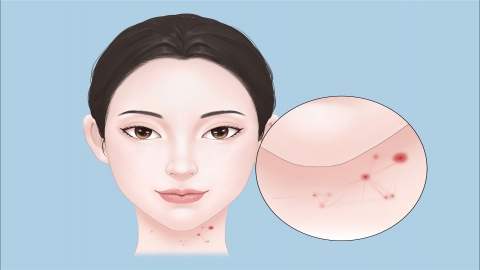
3. Hyperthyroidism: Excessive secretion of thyroid hormones accelerates metabolism and stimulates blood vessel dilation, resulting in spider angiomas, often accompanied by palpitations, excessive sweating, and weight loss. Under medical guidance, medications such as methimazole tablets, propylthiouracil tablets, and propranolol sustained-release tablets may be used to relieve symptoms.
4. Rheumatoid arthritis: Autoimmune abnormalities cause joint inflammation, and inflammatory stimuli may lead to vascular changes and the development of spider angiomas, along with joint swelling, pain, and stiffness. Patients may take ibuprofen sustained-release capsules, methotrexate tablets, prednisone tablets, or other medications under medical supervision to improve symptoms.
5. Cushing's syndrome: Excess cortisol secretion from the adrenal cortex promotes vasodilation and leads to spider angiomas, often accompanied by central obesity and purple striae on the skin. Patients may follow medical advice to use medications such as mifepristone tablets, ketoconazole capsules, or metyrapone tablets to alleviate symptoms.
Maintain skin cleanliness and avoid scratching spider angiomas. Eat a light diet and reduce intake of spicy or irritating foods. Maintain a regular routine and avoid overexertion. Engage in moderate exercise to enhance physical health, and regularly monitor changes in spider angiomas and overall health indicators.


