


What kind of wart is usually presented as a growth on the leg?

Common types of warts on the legs include common warts, plantar warts, flat warts, filiform warts, and molluscum contagiosum. These are mostly caused by human papillomavirus (HPV) infection or contact transmission and present with varying symptoms. If warts continue to grow, ulcerate, bleed, or are accompanied by significant discomfort, it is recommended to seek medical attention promptly for diagnosis and treatment.
1. Common warts: Caused by HPV infection, these appear as firm, rough-surfaced grayish-brown or skin-colored papules that may occur singly or in clusters, commonly found on exposed areas of the legs. They usually cause no obvious symptoms.
2. Plantar warts: Typically develop on the soles of the feet or edges of toes. Due to prolonged pressure, they grow inward forming a hard keratin core, causing noticeable pain when walking. The surface often shows small black dots and is contagious.
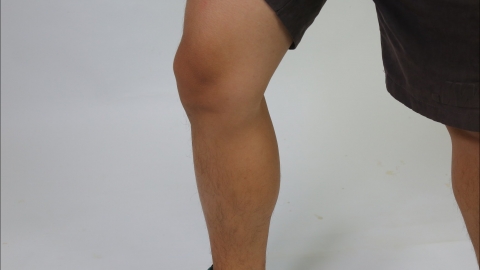
3. Flat warts: Small, flat, and slightly raised lesions that are light brown or skin-colored, often densely distributed on the outer side of the legs and lower limbs. Generally asymptomatic, they can spread through direct contact and are more commonly seen in adolescents.
4. Filiform warts: Slender and thread-like in appearance, nearly skin-colored or slightly darker, usually growing singly in skin folds of the leg or near hair follicles. They are soft in texture and grow slowly.
5. Molluscum contagiosum: Characterized by smooth, dome-shaped papules with a central dimple, typically skin-colored or pale pink. This condition is transmitted through direct contact and can easily spread to surrounding skin after scratching.
Maintain clean and dry leg skin daily. Avoid scratching or squeezing warts to prevent spreading. Wear loose, breathable cotton clothing to reduce friction. Do not share personal items with others, and consume foods rich in vitamins to enhance immunity.


