


What causes small brown spots on the legs, and how should they be treated?

Brownish spots on the legs may result from various causes such as genetic factors, ultraviolet (UV) exposure, keratosis pilaris, allergic purpura, or pigmented purpuric dermatitis. These can be improved through sun protection, dietary adjustments, and medical treatments. If the spots increase in number, enlarge, or are accompanied by itching or pain, prompt medical attention is recommended.
1. Genetic factors: Influenced by hereditary genes, uneven distribution of melanocytes in the skin can lead to tiny brown spots on the legs, ranging in size from pinhead to grain-like. Usually, there are no noticeable discomforts. It's advised to maintain daily sun protection to prevent darkening of the spots, and laser therapy may be considered for cosmetic improvement.
2. UV exposure: Prolonged exposure to sunlight stimulates melanocytes due to UV radiation, leading to brownish pigmentation on the legs, which may become more prominent during summer. It's recommended to apply sunscreen when going outdoors and wear long pants to shield the legs and reduce direct UV exposure.
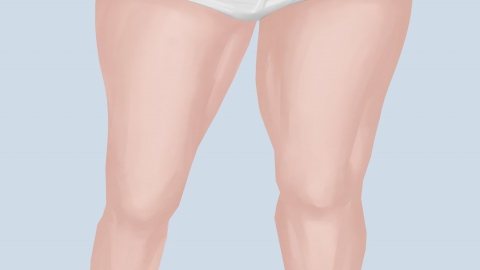
3. Keratosis pilaris: Excessive accumulation of keratin at the hair follicle openings causes small, pinhead-sized brownish papules on the legs with a rough texture. Typically, there is no pain or itching. Under a doctor’s guidance, topical medications such as tretinoin cream, salicylic acid ointment, or urea ointment may help alleviate symptoms.
4. Allergic purpura: Vascular inflammation triggered by infections or allergic reactions leads to purple-red or brown petechiae and ecchymoses on the legs that do not fade upon pressure. Mild itching or tenderness may accompany the lesions. Treatment under medical supervision may include loratadine syrup, vitamin C tablets, and rutin tablets to relieve symptoms.
5. Pigmented purpuric dermatitis: Increased capillary permeability results in red blood cell leakage and subsequent deposition of hemosiderin, forming pinhead-sized brownish petechiae on the legs, often symmetrically distributed, sometimes accompanied by mild scaling. As directed by a physician, medications such as desonide cream, vitamin E cream, or compound rutin tablets may help improve symptoms.
For daily care, keep the leg skin clean and well-moisturized. Use gentle bathing products, avoid scratching or rubbing the spots, practice proper sun protection when outdoors, consume more fruits and vegetables rich in vitamin C, and maintain a light diet to support stable skin health.


