


What can I do to make a burst blister scab over quickly?

After a blister has ruptured, to promote rapid scab formation, it is essential to thoroughly clean the wound, gently absorb exudate, apply topical antibacterial ointment, protect the wound from irritation, and keep the area dry. The key goals are preventing infection and minimizing further damage to the wound. If signs such as increased redness and swelling, pus discharge, or fever occur, prompt medical attention is recommended.
1. Thoroughly clean the wound: Gently rinse the ruptured area with saline solution or running water to remove dirt and residual tissue fluid. Avoid vigorous rubbing to prevent secondary injury and create a clean environment conducive to scab formation.
2. Gently absorb exudate: Use sterile gauze or a cotton swab to lightly press on the wound and absorb any discharged fluid. Do not squeeze the remaining blister tissue, as this may allow bacteria to enter and cause infection, and could also damage newly forming granulation tissue.
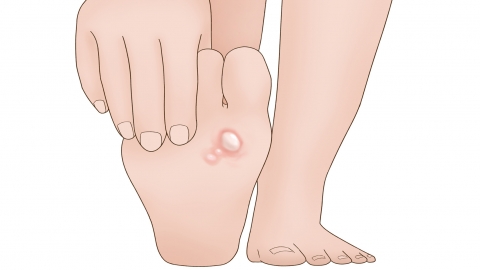
3. Apply antibacterial ointment: Spread a thin layer of a mild antibacterial ointment over the wound to inhibit bacterial growth, protect against contamination, and reduce inflammation. This helps create a stable healing environment for scab formation. Avoid applying too thickly, as this may impair breathability.
4. Protect the wound from irritation: Cover the wound gently with sterile gauze or use a breathable adhesive bandage. Prevent friction from clothing and avoid touching the wound. Minimize pulling or tension during movement to prevent premature loss of the forming scab.
5. Keep the area dry: Avoid exposing the wound to water, sweat, or other moist environments. During bathing, use waterproof dressings to shield the area. Moisture can delay scab formation and increase the risk of infection—maintaining a dry wound site is crucial.
In daily life, wear loose, soft clothing to reduce friction, avoid scratching the wound or surrounding skin, maintain a light diet rich in protein, avoid spicy or irritating foods, and follow a regular sleep schedule to support skin repair and accelerate scabbing and healing.


