


A hard lump has appeared in the crotch area, not painful or itchy.
Nov 29, 2025
Source: Cainiu Health

Dr. Liu Wenmin
Introduction
A hard lump has developed in the crotch area, without pain or itching. This may be caused by blocked sebaceous glands, local friction or irritation, sebaceous cysts, folliculitis, or molluscum contagiosum. The condition can be improved through proper cleaning and care, reducing friction, and medication. If the lump increases in size or number, or if discomfort occurs, prompt medical attention is recommended. Overactive sebaceous glands with poor secretion drainage can lead to accumulation of secretions.
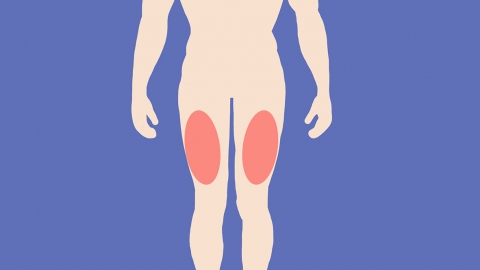
A hard lump in the groin area without pain or itching may be caused by sebaceous gland blockage, local friction irritation, sebaceous cysts, folliculitis, or molluscum contagiosum. Symptoms can be improved through proper cleaning and care, reducing friction, and medication. If the lump increases in size or number, or causes discomfort, prompt medical attention is recommended.
1. Sebaceous gland blockage: Overactive sebaceous glands with poor secretion drainage can lead to accumulation of secretions and formation of a hard lump. The surface is usually smooth and no significant discomfort occurs. It is advised to keep the area clean and dry, wear loose, breathable cotton clothing, and avoid squeezing the lump to prevent infection.
2. Local friction irritation: Prolonged walking or sitting can cause repeated friction in the groin, leading to skin tissue hyperplasia and formation of a firm lump, which is tough in texture and not accompanied by pain or itching. It is recommended to reduce prolonged sitting, avoid wearing overly tight clothing, and minimize excessive local friction while walking.
3. Sebaceous cyst: When the sebaceous gland duct becomes blocked, sebum accumulates and forms a round, firm lump, which may have a small black dot on the surface. Generally, there is no discomfort. Under a doctor’s guidance, topical medications such as erythromycin ointment, mupirocin ointment, or fusidic acid cream may be used to improve symptoms.
4. Folliculitis: Inflammation caused by bacterial infection of hair follicles. Initially presents as a painless, non-itchy hard bump, which may later become red and swollen. Patients may use medications such as cefaclor capsules, amoxicillin capsules, or iodophor disinfectant solution under medical supervision to relieve symptoms.
5. Molluscum contagiosum: Caused by infection with the molluscum contagiosum virus, presenting as dome-shaped firm bumps with a smooth surface and possibly a central dimple. Patients may follow medical advice to use imiquimod cream, recombinant human interferon α2b gel, or iodine tincture to alleviate symptoms.
Maintain cleanliness and dryness of the groin area; wash daily with warm water, wear loose, breathable cotton clothing, avoid squeezing or rubbing the lump, eat a light diet avoiding spicy and irritating foods, and maintain regular sleep patterns to support stable skin health.




