


What trace elements are lacking when hands become dry and cracked?

Dry and cracked hands are associated with deficiencies in various trace elements, primarily including vitamin A, B-complex vitamins, vitamin E, zinc, and iron. These trace elements play important roles in maintaining skin health, and their deficiency can negatively affect skin condition. The specific analysis is as follows:
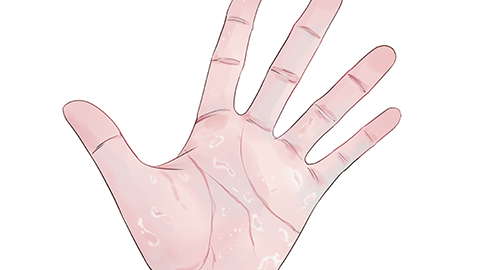
1. Vitamin A: Vitamin A is essential for maintaining the integrity of skin and mucous membranes. A deficiency leads to abnormal keratinocyte metabolism and slowed epidermal cell turnover. As a result, the skin on the hands becomes rough and dry. Accumulation of keratin causes loss of elasticity, making the skin prone to cracking—especially noticeable on fingertips and finger pads, where movement and friction are frequent.
2. B-Complex Vitamins: B-complex vitamins are involved in skin energy metabolism and tissue repair. Deficiency impairs the skin's barrier function, reduces sebaceous gland secretion, and diminishes moisture retention, leaving the skin vulnerable to external irritants. This results in dryness, flaking, and eventually cracking, often accompanied by redness and itching.
3. Vitamin E: Vitamin E provides antioxidant protection and moisturizing effects, helping to preserve the integrity of skin cell membranes. When deficient, the skin’s ability to retain moisture weakens, leading to accelerated water loss. The skin becomes dry, dull, and less elastic, making it susceptible to cracks of varying depths under dry conditions or physical friction.
4. Zinc: Zinc plays a critical role in skin cell division and regeneration, contributing significantly to skin repair. A deficiency reduces the skin’s self-repair capacity, causing minor injuries to heal poorly. Persistent dryness worsens over time, leading to recurring cracks and possibly accompanying inflammatory skin reactions.
5. Iron: Iron affects blood supply and nutrient delivery to the skin. Deficiency results in inadequate blood flow to the hands, impairing the transport of nutrients to the epidermis. Without sufficient nourishment, the skin becomes dry, rough, and less resistant, making it more susceptible to external factors that trigger cracking.
Regardless of whether dry and cracked hands are related to trace element deficiencies, it is important to maintain hand hygiene and hydration. Avoid using overly harsh detergents or skincare products to minimize irritation and damage to the skin.


