What is the most effective ointment for blister beetle bites?
Nov 29, 2025
Source: Cainiu Health

Dr. Liu Wenmin
Introduction
There is no absolutely "most effective" ointment for bites from rove beetles. Commonly used effective topical treatments include corticosteroid creams, antibiotic ointments, calamine lotion, menthol ointment, and compound polymyxin B ointment. After a rove beetle bite, the skin should first be washed with clean water or soapy water to remove any residual venom.
There is no absolutely "most effective" ointment for rove beetle exposure. Commonly used and effective topical treatments after contact with a rove beetle include corticosteroid creams, antibiotic ointments, calamine lotion, menthol ointment, and compound polymyxin B ointment. A detailed explanation is as follows:
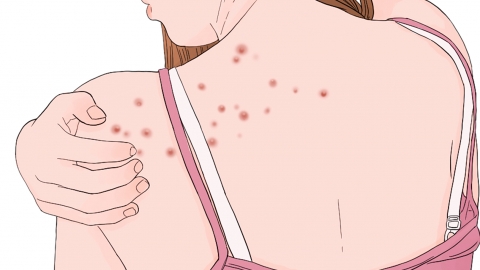
1. Corticosteroid cream: This type of ointment quickly reduces the inflammatory reaction caused by rove beetle toxins, relieving redness, itching, and pain. It is suitable for early use after injury to minimize inflammation spread and promote faster skin recovery. However, usage duration should be controlled according to instructions to avoid prolonged application.
2. Antibiotic ointment: If the skin is broken after a rove beetle bite, it becomes susceptible to bacterial infection. Antibiotic ointments help prevent or treat such infections, protect damaged skin, promote wound healing, and prevent worsening symptoms or scarring due to infection.
3. Calamine lotion: Known for its cooling and anti-itch properties, this lotion helps relieve itching after a rove beetle bite, reducing the risk of skin damage from scratching. It forms a protective film on the skin surface, minimizing external irritation, and is ideal for bite areas without obvious breaks in the skin.
4. Menthol ointment: Containing menthol, this ointment provides a cooling sensation upon application, quickly soothing the burning and itching caused by rove beetle bites. It also helps reduce skin redness and alleviate discomfort, making it suitable for use on intact skin without open wounds.
5. Compound polymyxin B ointment: This ointment offers both anti-inflammatory and antibacterial effects. It not only reduces inflammation from rove beetle bites but also prevents and treats bacterial skin infections. It is especially useful when there is mild swelling or minor skin breakage, aiding in restoring skin health.
After a rove beetle bite, the affected area should first be washed with clean water or soapy water to remove any residual toxin. Ensure the skin is clean and dry before applying any ointment, and avoid contact with mucous membranes such as around the eyes, mouth, and nose. Seek medical attention promptly if symptoms such as extensive redness, blisters, or fever occur.