


What causes a sudden bruise-like appearance near the corner of the mouth, and what should be done about it?

A sudden appearance of what seems like a bruise near the corner of the mouth may be caused by local trauma or pressure, blood vessel dilation due to emotional excitement, angular cheilitis, allergic purpura, or post-inflammatory hyperpigmentation following folliculitis. Symptoms can be improved with cold compresses, lifestyle adjustments, or medical treatment. If the bruise expands or is accompanied by pain or itching, prompt medical attention is advised.
1. Local collision or pressure: Accidental bumping or squeezing of the corner of the mouth can rupture small subcutaneous blood vessels, leading to bleeding and bruising, without other significant discomfort. It is recommended to apply a cold pack wrapped in a towel within the first 48 hours to reduce bleeding; after 48 hours, switch to warm compresses to promote absorption of the bruise.
2. Vascular dilation due to emotional excitement: Sudden, intense emotional fluctuations can cause rapid dilation of facial blood vessels, resulting in bruise-like appearances in some sensitive individuals, which typically resolve once emotions stabilize. It is advisable to maintain emotional stability, avoid excessive excitement, drink adequate water, and support normal metabolic recovery.
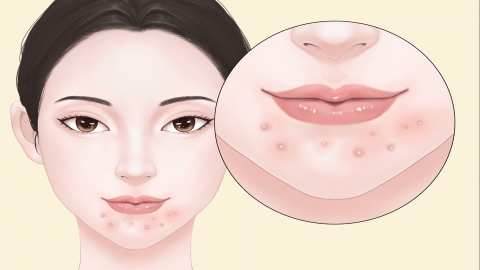
3. Angular cheilitis: Inflammation at the corners of the mouth caused by bacterial or viral infections or vitamin deficiency can lead to localized redness and pigmentation resembling bruising, often accompanied by cracking and pain. Under medical guidance, patients may use medications such as erythromycin ointment, acyclovir cream, or vitamin B2 tablets to alleviate symptoms.
4. Allergic purpura: After exposure to an allergen, inflammatory reactions in blood vessels can cause subcutaneous bleeding, forming bruise-like petechiae or ecchymoses, possibly accompanied by mild itching or tenderness. Patients may, under medical supervision, take loratadine syrup, vitamin C tablets, or rutin tablets to relieve symptoms.
5. Folliculitis: Inflammation of hair follicles near the corner of the mouth due to infection may leave residual pigmentation resembling bruising after resolution, sometimes associated with slight elevation or roughness of the skin. As directed by a physician, topical treatments such as fusidic acid cream, centella asiatica glycoside cream, or vitamin E cream may be used to improve symptoms.
Maintain cleanliness of the mouth area, avoid frequent touching or friction, eat a light diet avoiding spicy and irritating foods, consume more fresh fruits and vegetables rich in vitamins, and ensure sufficient sleep to support the recovery of healthy skin.


