


What does it mean when white substance comes out of armpit pores, and what should be done about it?

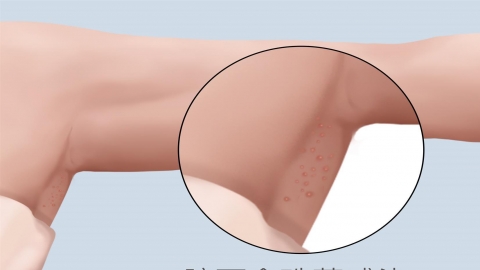
Under normal circumstances, white substances squeezed from armpit pores may be caused by accumulation of sebaceous gland secretions, keratin blockage, folliculitis, sebaceous cysts, or trichomycosis axillaris. If discomfort occurs, it is recommended to seek timely medical treatment at a reputable hospital. Specific causes are analyzed as follows:
1. Accumulation of Sebaceous Gland Secretions
The armpits contain abundant sebaceous glands, and excessive sebum production can easily accumulate in pores, forming a white, paste-like substance when squeezed. Change breathable clothing frequently, keep the armpits clean and dry, wash daily with a mild body wash, and reduce intake of high-fat foods.
2. Keratin Blockage
Slow turnover of keratin in the armpit area can clog pores, mixing with sebum to form white, plug-like material. Clean once or twice weekly with a gentle scrub, avoid frequent squeezing, and wear loose clothing to reduce friction.
3. Folliculitis
Bacterial infection of hair follicles causes inflammation, resulting in white pustules around pores accompanied by redness, swelling, and pain. Topical medications such as mupirocin ointment, fusidic acid cream, or clindamycin gel may be used as directed by a physician. Avoid scratching and keep the armpits dry.
4. Sebaceous Cyst
A blocked sebaceous gland duct leads to cyst formation; squeezing releases a white, curd-like substance, which is prone to recurrent infections. Oral antibiotics such as cefradine capsules, amoxicillin capsules, or roxithromycin dispersible tablets may be taken under medical guidance. Surgical excision of the sebaceous cyst may be necessary in some cases.
5. Trichomycosis Axillaris
Caused by infection with *Corynebacterium tenuis*, this condition results in white scales adhering to underarm hairs, with powdery discharge from the pores. Antifungal treatments such as bifonazole solution, ketoconazole cream, or miconazole cream may be applied topically as prescribed. Shave underarm hair before applying medication, and disinfect clothing by washing with boiling water.
In daily life, maintain armpit hygiene with regular bathing; choose cotton, breathable clothing and avoid tight synthetic fabrics; follow a light diet and reduce consumption of spicy, greasy foods; seek medical attention promptly upon noticing abnormalities, and do not self-medicate arbitrarily.


