


What should I do if my fingers develop chilblains and the finger joints become swollen and enlarged?

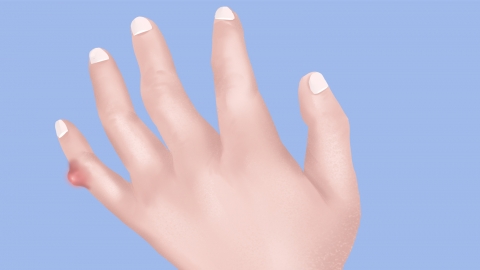
After developing chilblains, fingers may become swollen at the joints. This condition can be improved through proper chilblain care, promoting local circulation, avoiding aggravating irritations, persisting with functional exercises, and maintaining warmth and protection. It is often caused by recurrent chilblains and inflammatory stimulation leading to tissue hyperplasia. If joint swelling progressively worsens, or is accompanied by severe pain or restricted movement, prompt medical attention is recommended.
1. Proper chilblain care: When chilblains occur, soak hands in warm water at 38–40°C for 15–20 minutes each time to promote blood circulation. Apply chilblain ointment to protect affected areas, and avoid scratching or squeezing to prevent further inflammatory stimulation and tissue hyperplasia around the joints.
2. Promote local circulation: Regularly perform hand-clenching and finger-stretching exercises. Massage the finger joints and surrounding muscles, or gently stretch the joints after soaking hands in warm water to improve local blood flow and reduce tissue swelling and stiffness.
3. Avoid aggravating stimuli: Before chilblains fully heal, avoid exposure to cold water, ice, or other cold stimuli. Refrain from heavy physical labor or repetitive joint bending and stretching, which can increase joint friction and pressure, potentially worsening tissue hyperplasia.
4. Persist with functional exercises: Perform gentle daily movements such as finger bending, stretching, and rotation, repeating each motion 10–15 times. This helps maintain joint flexibility, promotes elimination of metabolic waste, reduces tissue adhesion and hyperplasia, and prevents joint stiffness or deformity.
5. Maintain warmth and protection: Wear thick, breathable cotton gloves when going outdoors to prevent direct exposure to cold environments. After washing hands, dry them immediately and apply hand cream to keep the skin moisturized and warm, helping prevent recurrence of chilblains.
In daily life, prioritize hand warmth and avoid prolonged exposure to cold and damp conditions. Use lukewarm water for handwashing and dry and moisturize hands promptly afterward. Continue moderate functional exercises to prevent long-term joint immobility. Even after chilblains have healed, ongoing protection is essential to minimize recurrence and repeated joint irritation.


