


What is the difference between dandruff and psoriasis?

Dandruff and psoriasis are two distinct scalp conditions, differing mainly in appearance, accompanying symptoms, affected areas, underlying mechanisms, and treatment approaches. A detailed comparison is as follows:
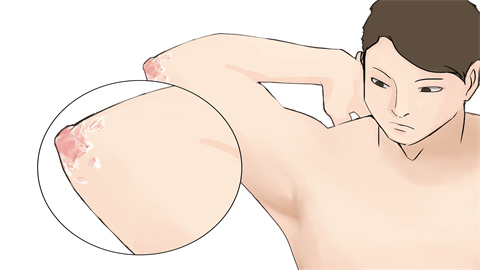
1. **Appearance**: Dandruff typically presents as small, white or grayish flakes that are thin and easily shed, scattering onto hair or clothing. The scalp surface usually appears smooth without obvious signs of inflammation. In contrast, the scales in psoriasis are thicker, silvery-white or mica-like, accumulating on the scalp to form well-demarcated plaques. Gently scraping off these scales reveals a thin, shiny, pale red membrane underneath; further scraping may lead to pinpoint bleeding (Auspitz sign).
2. **Accompanying Symptoms**: Dandruff primarily involves scalp flaking, with some individuals experiencing mild itching—symptoms are generally minor and do not interfere with daily life. Psoriasis, however, often causes more intense itching, along with redness, swelling, and inflammatory changes on the scalp. In severe cases, plaques may merge into larger areas and even cause hair to grow in tufted clusters.
3. **Affected Areas**: Dandruff is confined to the scalp and hairline region and does not spread to other parts of the body. Psoriasis, besides affecting the scalp, commonly occurs symmetrically on extensor surfaces such as the limbs, trunk, elbows, and knees, presenting as erythematous plaques with scaling.
4. **Pathogenesis**: Dandruff is often associated with excessive sebum production, Malassezia fungal infection, or dry scalp, and is considered a benign scalp condition. Psoriasis, by contrast, is a chronic inflammatory skin disease linked to genetic predisposition, immune system dysfunction, and environmental triggers, involving a far more complex pathophysiological mechanism.
5. **Treatment Approaches**: Dandruff can usually be managed effectively with anti-dandruff shampoos and proper scalp hygiene. Psoriasis requires professional medical treatment; depending on severity, therapies may include topical medications, systemic drugs, phototherapy, or a combination thereof. It often necessitates long-term management and is prone to recurrence.
In summary, dandruff is usually a mild manifestation of scalp imbalance that can be controlled through daily care and over-the-counter products. Psoriasis, however, is a more serious dermatological condition requiring accurate diagnosis by a physician and a comprehensive, long-term treatment plan.


