


What should I do if red bumps keep appearing repeatedly after shingles has healed?

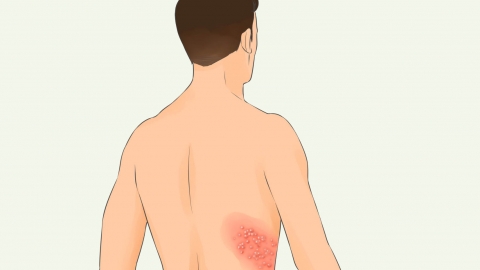
After recovery from shingles, recurrent red bumps may occur. This can be managed by checking for residual virus, addressing skin irritation, regulating immune function, identifying allergic factors, and following proper local skin care. It is often related to poor skin healing or persistent triggering factors. If the red bumps are accompanied by pain, blisters, or spreading rash, prompt medical attention is recommended.
1. Check for residual virus: The shingles virus may not have been completely eliminated and could remain dormant in nerve ganglia. When immunity decreases, it may trigger local inflammation manifesting as red bumps. Watch for accompanying symptoms such as dull pain or burning sensations, and avoid delaying antiviral treatment.
2. Address skin irritation: After healing, the skin barrier is fragile. Friction, clothing irritation, or inappropriate medication use may cause red bumps. Avoid scratching, switch to loose-fitting cotton clothing, and discontinue irritating ointments or skincare products.
3. Regulate immune function: Staying up late, fatigue, and high stress levels can weaken immunity and increase the risk of recurrence. Maintain a regular sleep schedule, eat a balanced diet, and engage in moderate exercise to boost resistance and reduce the likelihood of viral reactivation.
4. Identify allergic factors: Skin may remain sensitive after recovery. Exposure to pollen, dust mites, or consumption of allergenic foods may lead to allergic dermatitis presenting as red bumps. Review recent exposure history and avoid suspected allergens.
5. Follow proper local care: Cleanse the skin with lukewarm water and keep the area dry and clean. Under medical guidance, mild anti-inflammatory ointments may be used. Avoid self-administered steroid medications to prevent skin dependency or worsening symptoms.
In daily life, maintain clean and dry skin, avoid washing with hot water or excessive cleansing, follow a light diet avoiding spicy and irritating foods, maintain regular作息 (sleep patterns), avoid fatigue and late nights, and keep emotional well-being to support skin barrier recovery and reduce recurrence of red bumps.


