How to manage acne on the face at age 17
Nov 29, 2025
Source: Cainiu Health

Dr. Liu Wenmin
Introduction
Acne at age 17 can be managed by adjusting dietary habits, maintaining proper skin cleansing, establishing regular sleep patterns, managing emotional stress, and using skincare products appropriately. Acne during puberty is often related to hormonal fluctuations, and scientific interventions can help reduce recurrence. If acne is severe, accompanied by redness, swelling, pus, or leaves behind scars or dark marks, prompt medical attention is recommended.
Acne at age 17 can be managed by adjusting diet, maintaining proper skin cleansing, establishing regular sleep patterns, managing emotional stress, and using skincare products appropriately. Teenage acne is often related to hormonal fluctuations, and scientific interventions can help reduce recurrence. If acne is severe, accompanied by redness, swelling, pus, or leaves behind marks and scars, it's advisable to seek medical attention promptly.
1. Adjust diet: Reduce intake of high-sugar foods, fried foods, and dairy products, as these can stimulate sebum production and worsen acne. Increase consumption of fresh fruits, vegetables, and whole grains rich in vitamins to promote metabolism.
2. Maintain skin cleanliness: Use a gentle facial cleanser to wash your face morning and night to remove excess oil and dirt, avoiding over-cleansing that may damage the skin barrier. Cleanse promptly after sweating to prevent clogged pores.
3. Establish regular sleep habits: Avoid staying up late and ensure 7–8 hours of sleep each night. Sleep deprivation can disrupt hormone balance and exacerbate acne outbreaks. Drink water upon waking to help flush toxins from the body.
4. Manage emotional stress: At 17, academic pressure may be significant; prolonged anxiety can trigger acne. Engage in physical activity, listen to music, or use other healthy methods to relieve stress and maintain emotional stability.
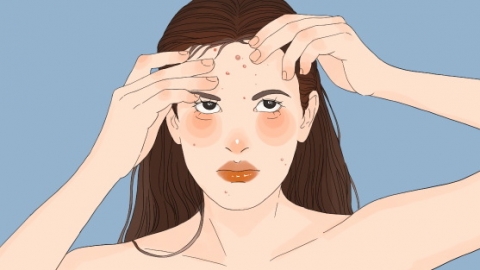
5. Use skincare products wisely: Choose lightweight, oil-controlling products free of comedogenic ingredients. Avoid heavy foundations or greasy moisturizers. Do not squeeze pimples to prevent bacterial infection and scarring.
In daily life, avoid frequently touching your face with hands, keep towels and pillowcases clean and change them regularly. Apply sunscreen when outdoors to minimize UV irritation to acne-prone skin. Stick to scientifically proven care methods and avoid blindly using unverified home remedies, supporting the skin’s recovery to a healthy condition.