


What should I do if the swelling on the back of my foot due to athlete's foot is getting worse?

Tinea pedis (athlete's foot) with increasing swelling on the dorsum of the foot requires management through local anti-inflammatory care, keeping the feet dry, avoiding scratching and irritation, proper use of antifungal medications, and controlling secondary infections. Worsening swelling often indicates inflammation spread and requires timely intervention. If swelling extends to the ankle, or is accompanied by fever or severe pain, prompt medical attention is recommended.
1. Local anti-inflammatory care: Apply cold compresses using 3% boric acid solution or normal saline to the swollen area, 15–20 minutes per session, 2–3 times daily, to reduce redness, swelling, heat, and pain. Avoid hot compresses, which may exacerbate inflammatory spread.
2. Keep feet dry: Wear loose, breathable cotton socks and shoes. Change them daily and sun-dry for disinfection. Avoid damp, sweaty conditions that promote fungal growth and worsen inflammation.
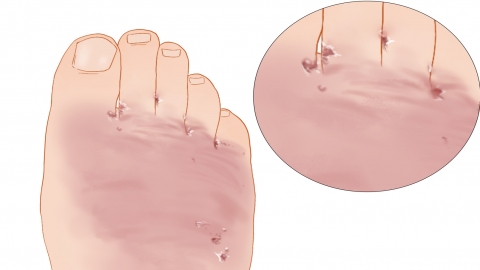
3. Avoid scratching and irritation: Resist scratching despite itching caused by tinea pedis, as it may break the skin and lead to bacterial infection, worsening swelling. Lightly tapping the itchy area can help relieve discomfort.
4. Proper use of antifungal medications: Apply topical antifungal creams such as bifonazole cream or terbinafine cream, covering both the swollen area and surrounding skin. Complete the full treatment course and avoid stopping medication prematurely.
5. Control secondary infection: If swelling is accompanied by pus, redness, or warmth of the skin, a bacterial infection may be present. Use topical antibacterial ointments under medical guidance to prevent further deterioration.
In daily life, avoid sharing slippers or foot basins to prevent cross-infection. Minimize pressure and friction on the feet while walking by wearing soft, well-fitting shoes. Maintain a light diet and avoid spicy or irritating foods to promote resolution of inflammation and support recovery.


