


Can dehydration on the face lead to dark spots?

In general, whether dry skin on the face leads to dark spots depends on the severity of dehydration and daily skincare practices. The specific analysis is as follows:
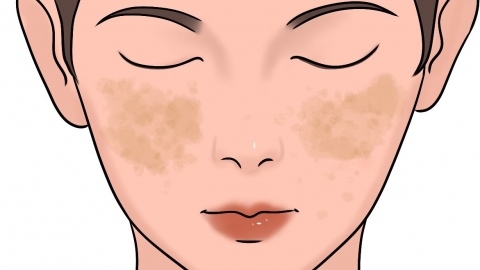
If the skin is only mildly dehydrated—manifesting as occasional dryness or tightness—and moisture is promptly replenished with hydrating products while proper sun protection is maintained, dark spots typically will not develop. Mild dehydration does not compromise the skin's barrier function, and timely hydration helps sustain normal skin metabolism. Combined with sun protection, this reduces UV-induced irritation and prevents pigment deposition.
However, if the skin suffers from long-term, severe dehydration, leading to a damaged barrier and reduced resistance to external irritants, especially without adequate sun protection, it may trigger or worsen pigmentation. Dehydration slows down skin metabolism, hinders pigment removal, and a compromised barrier cannot effectively block UV rays, making the skin prone to abnormal melanin deposition, which results in the formation or darkening of spots.
After cleansing the face each morning and evening with a gentle facial cleanser, promptly apply toner and moisturizer to replenish moisture. Apply sunscreen before going outdoors, and use umbrellas or hats for added protection. Use a humidifier in dry indoor environments to maintain air moisture. Increase intake of water-rich fruits and vegetables in your diet and drink plenty of water to hydrate the skin from within and outward.


