


What are the skin symptoms of lead allergy?

Under normal circumstances, skin symptoms caused by lead allergy have distinct characteristics, mainly including contact dermatitis, erythematous papules, itching, blistering and erosion, and hyperpigmentation. A detailed analysis is as follows:
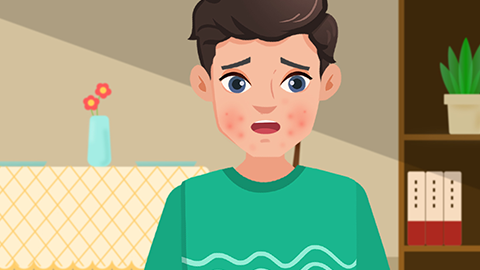
1. Contact Dermatitis: Symptoms are mostly confined to areas of skin that have come into contact with lead or lead-containing items, presenting as localized redness and swelling with relatively clear boundaries that generally correspond to the area of contact, often accompanied by a burning sensation. Long-term or repeated exposure may cause the inflamed area to expand and symptoms to gradually worsen.
2. Erythematous Papules: Scattered or clustered red spots appear at the site of contact, gradually developing into papules ranging in size from pinhead to grain-like. These papules are firm in texture; their redness may temporarily fade upon pressure but quickly returns once pressure is released. Some papules may coalesce into larger patches.
3. Itching and Discomfort: Itching is a typical feature of lead allergy-related skin symptoms, varying in intensity among individuals—from mild irritation to severe, unbearable discomfort. Patients often scratch unconsciously, which may damage the skin and increase the risk of infection. Itching may become more pronounced at night or when body temperature rises.
4. Blistering and Erosion: In more severe cases, papules may progress into blisters filled with clear or slightly yellow fluid. When these blisters rupture, they form eroded surfaces that exude small amounts of fluid and are associated with significant pain or a burning sensation. Improper care increases the risk of secondary bacterial infection.
5. Hyperpigmentation: After inflammation resolves, some patients may develop brown or dark-brown pigmentation at the affected sites. The depth of pigmentation correlates with the severity of prior inflammation. This discoloration typically persists for some time and gradually fades with skin turnover, although in a few cases it may remain long-term.
Upon experiencing any of these symptoms, contact with lead-containing materials should be stopped immediately, and the affected skin area should be cleaned promptly. In daily life, avoid wearing lead-containing jewelry or using lead-containing cosmetics, and minimize exposure to lead to prevent symptom recurrence.


