


What is the difference between skin itching symptoms of diabetes and urticaria?

In general, there are significant differences between skin itching caused by diabetes and urticaria in terms of pathogenesis, rash presentation, characteristics of itching, duration, and triggering factors. The specific analysis is as follows:
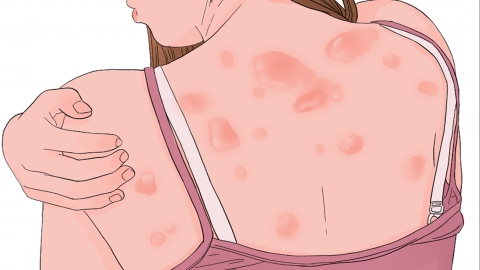
1. Pathogenesis: Skin itching in diabetes is primarily caused by elevated blood glucose levels leading to dry skin, stimulation of nerve endings, or localized infections due to a high-sugar environment. In contrast, urticaria results from transient dilation and increased permeability of small blood vessels in the skin and mucous membranes, causing localized edema, and is commonly associated with allergies, infections, and other factors.
2. Rash Presentation: Skin itching in diabetes typically presents without obvious rashes, or may be accompanied only by dryness and flaking; some cases may develop eczema-like erythematous patches. Urticaria is characterized by wheals—raised, well-circumscribed areas that are bright red or pale, varying in size and shape. These wheals appear and disappear rapidly and resolve without leaving any marks.
3. Characteristics of Itching: Itching in diabetes is usually persistent and diffuse, often worsening at night or in warm environments, with relatively stable intensity. In contrast, itching in urticaria is sudden and severe, intensifying with the appearance of wheals and temporarily subsiding as they fade.
4. Duration: If blood glucose remains poorly controlled, diabetic skin itching can persist for long periods, with a prolonged and recurrent course. Wheals in urticaria are short-lived, typically resolving within hours; individual lesions last a few hours, and the overall episode may last from several hours to days. In chronic cases, symptoms may recur for months.
5. Triggering Factors: Diabetic skin itching is often triggered by blood glucose fluctuations, excessive skin cleansing, or dry environmental conditions. Urticaria is frequently induced by allergens such as food, medications, pollen, or physical stimuli like cold or heat, with symptoms rapidly developing after exposure.
Patients with diabetes should actively manage their blood glucose levels and maintain moist, clean skin. Those with urticaria should identify and avoid triggers. For both conditions, scratching should be avoided to prevent skin damage and secondary infection, and targeted treatments should be pursued when necessary.


