


What illness might be indicated by symptoms of head distension and heaviness?

Generally, a feeling of swelling or heaviness in the head may be an early sign of conditions such as hypertension, cervical spondylosis, migraines, sleep apnea syndrome, or insufficient cerebral blood supply. Specific analyses are as follows:
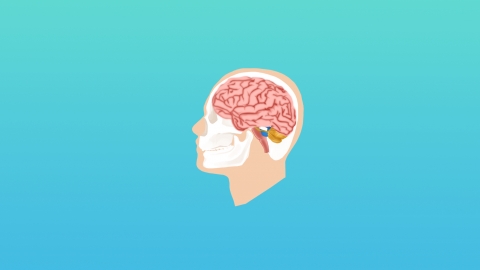
1. Hypertension: When blood pressure rises, increased pressure within the intracranial blood vessels can cause a sensation of head fullness and heaviness. Some individuals may also experience dizziness or palpitations, especially when emotionally agitated or fatigued. If left unaddressed over time, this may lead to vascular damage.
2. Cervical Spondylosis: When cervical spine degeneration occurs, it may compress the vertebral artery or nerve roots, impairing blood flow to the brain and resulting in a feeling of head fullness and heaviness. This is often accompanied by neck stiffness and numbness in the arms, and is commonly triggered by prolonged periods of looking down or maintaining fixed postures.
3. Migraine: A sensation of head fullness or heaviness may precede a migraine attack, which may then progress into a throbbing, one-sided headache. Some individuals may also experience photophobia (sensitivity to light) or phonophobia (sensitivity to sound), with symptoms worsening due to mental stress or lack of sleep.
4. Sleep Apnea Syndrome: This condition causes repeated breathing interruptions during sleep, leading to recurrent cerebral hypoxia (oxygen deficiency). Upon waking, individuals often feel head fullness and heaviness, along with daytime sleepiness and difficulty concentrating. Long-term effects may include impaired heart and lung function.
5. Insufficient Cerebral Blood Supply: Reduced blood flow to the brain leads to oxygen deprivation in brain tissue, causing sensations of head fullness and heaviness. This may be accompanied by memory decline and limb weakness. Common contributing factors include atherosclerosis or vascular stenosis.
Daily precautions include maintaining regular作息 (sleep-wake cycles), avoiding chronic sleep deprivation or excessive fatigue; limiting salt intake to reduce the risk of hypertension; avoiding prolonged neck flexion and performing appropriate neck exercises. If symptoms occur frequently, prompt medical evaluation is recommended to identify the underlying cause and receive targeted treatment.


