


Cephalosporin allergy, how long does whole-body itching last before subsiding?

In general, systemic itching caused by an allergic reaction to cephalosporins may subside within 1–3 days after treatment for mild cases, while more severe cases may take a week or even longer to resolve. If in doubt, it is advisable to seek medical consultation promptly. Detailed analysis is as follows:
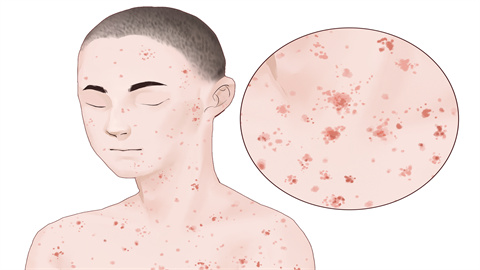
If the allergic reaction is mild and only presents as slight generalized itching without rash spreading, difficulty breathing, or other discomfort, and if cephalosporin use is discontinued promptly and antiallergic medications are taken as prescribed, the itching usually improves significantly within 1–3 days. Such mild allergic reactions have minimal impact on the body; with medication, the immune response can quickly subside and symptoms gradually resolve.
If the allergic reaction is severe, with widespread rashes, swelling, or symptoms such as dizziness and nausea, and if timely and proper treatment is not administered, symptom relief may be prolonged, potentially requiring one week or more. Severe allergic reactions trigger a stronger immune response, necessitating more systematic treatment (such as intravenous antiallergic drugs). The recovery period is correspondingly longer, and in some cases, monitoring for potential complications is also required.
Upon experiencing a cephalosporin allergy, the drug should be discontinued immediately and future exposure avoided. Mild symptoms can be managed with oral antiallergic medications as directed by a physician, while severe reactions require emergency medical care. During recovery, avoid scratching the skin, wear loose clothing, and minimize skin irritation.


