


What causes a hard lump protruding on a woman's lower back, and what should be done about it?

A hard lump protruding on a woman's lower back may be caused by fat accumulation, localized muscle spasm, sebaceous cyst, folliculitis, lumbar disc herniation, or other conditions. It can be improved through dietary adjustments, heat application, massage, and medication. If the lump continues to grow, pain worsens, or is accompanied by fever, prompt medical attention is necessary.
1. Fat accumulation: Prolonged sitting and lack of exercise can lead to localized fat buildup in the lower back, forming a relatively soft, firm lump without pain or itching. The lump does not move when pressed. It is recommended to control high-calorie intake and increase waist-targeted physical activities such as waist twisting and brisk walking to promote fat metabolism and reduction.
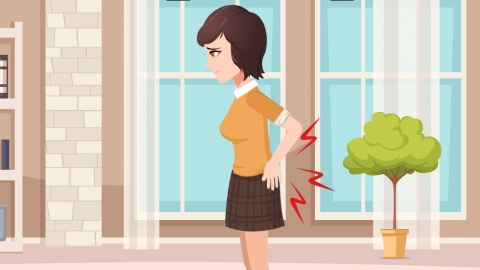
2. Localized muscle spasm: Fatigue or poor posture can cause tension and spasm in the lower back muscles, forming a cord-like hard lump accompanied by local soreness and limited movement. It is advised to apply a hot water bottle to the affected area and gently massage to relieve muscle tension. Avoid prolonged sitting or standing.
3. Sebaceous cyst: Blockage of the sebaceous gland duct causes accumulation of sebum, forming a cystic hard lump with a relatively firm texture. It is usually painless but may become red, swollen, and painful if infected. Under medical guidance, medications such as cefuroxime axetil tablets, amoxicillin capsules, and iodine tincture for disinfection can be used to manage symptoms.
4. Folliculitis: Bacterial infection of hair follicles on the lower back skin leads to inflammatory nodules accompanied by redness, swelling, and pain, which may develop into pus-filled lesions later. Patients can use mupirocin ointment, erythromycin ointment, or cephalexin capsules under medical supervision to alleviate discomfort.
5. Lumbar disc herniation: Protrusion of the intervertebral disc compresses surrounding tissues, triggering aseptic inflammation and soft tissue swelling that may feel like a hard lump. This condition is often accompanied by lower back pain and numbness in the lower limbs. Patients may follow medical advice to take medications such as ibuprofen sustained-release capsules, mecobalamin tablets, and Huoxue Zhitong capsules to relieve symptoms.
Maintain clean and dry skin on the lower back, wear loose and breathable clothing, avoid frequent pressure on the lump, maintain regular sleep patterns to prevent fatigue, perform appropriate stretching exercises for the waist, eat a light diet avoiding spicy and irritating foods, and promote overall lumbar health.


