


How to quickly reduce swelling after being stung by a yellow hornet

There is no such thing as "how to quickly reduce swelling after being stung by a yellow hornet." After a sting, it's essential to immediately leave the area, remove the stinger, apply local cold compresses, use topical anti-inflammatory medications, take oral antihistamines, and closely monitor symptoms. If symptoms such as difficulty breathing, dizziness, vomiting, or rapidly spreading swelling occur, seek medical attention immediately.
1. Leave the area and remove the stinger: Quickly move away from areas with yellow hornets. Use sterilized tweezers or a fingernail to gently remove the stinger—avoid squeezing the venom sac, which may release more venom into the skin.
2. Local cold compress: Wrap an ice pack or ice cubes in a clean towel and apply it to the affected area for 15–20 minutes. Repeat every 1–2 hours to help reduce swelling and pain.
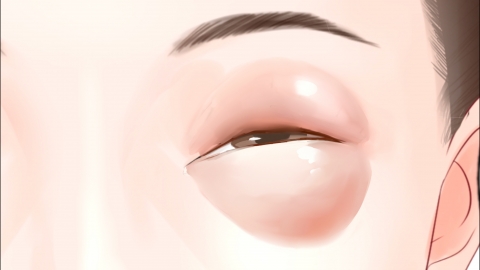
3. Topical anti-inflammatory medications: After cleaning the skin, apply calamine lotion to relieve itching, or use a topical corticosteroid ointment to reduce inflammation. Avoid scratching the affected area.
4. Oral antiallergic medications: If significant itching or expanding redness and swelling develop, take antihistamine medication as directed on the label, taking care to avoid potential drug allergies.
5. Monitor symptoms closely: Pay attention to your body’s response within 30 minutes to 24 hours after the sting. Watch for changes in swelling, development of rashes, nausea, or other discomforts, and keep a record of symptoms.
Keep the affected area clean and dry after the sting. Avoid contact with contaminated water and irritants. Eat a light diet and avoid spicy foods and seafood. Limit movement of the affected area, wear loose, breathable clothing, and avoid friction or pressure on the swollen site to promote healing.


