


What causes extremely dry, stinging skin under the nose, and what should be done about it?

The skin under the nose may become extremely dry and painful due to factors such as dry environment, excessive cleansing, contact dermatitis, seborrheic dermatitis, or angular cheilitis. Symptoms can be improved through moisturizing care, adjusting cleansing habits, and medical treatment. If symptoms persist or worsen, or are accompanied by redness, swelling, or skin breakdown, prompt medical attention is necessary.
1. Dry Environment: Low humidity causes rapid moisture loss from the skin, leading to dehydration of the stratum corneum under the nose, resulting in dryness, tightness, and even stinging sensations. It is recommended to use a humidifier to increase environmental moisture, apply a gentle moisturizer promptly, and minimize exposure to wind and sun that can irritate the affected area.
2. Excessive Cleansing: Frequent use of harsh facial cleansers or repeated wiping of the skin under the nose can damage the skin barrier, causing dryness and pain. Switch to a mild, soap-free cleanser, reduce the frequency of cleansing, and immediately apply a moisturizer after washing to help restore the skin barrier.
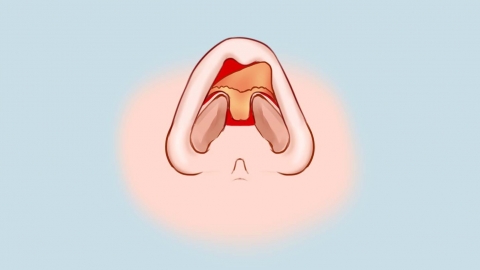
3. Contact Dermatitis: Exposure to irritants such as lipstick, skincare products, or food residues can trigger local skin inflammation, causing dryness, redness, and stinging, sometimes accompanied by mild itching. Under medical guidance, topical medications such as desonide cream, loratadine tablets, or calamine lotion may be used to relieve discomfort.
4. Seborrheic Dermatitis: The area under the nose is rich in sebaceous glands; abnormal sebum production or Malassezia infection can lead to inflammation, presenting as dry, flaky, and painful skin, sometimes with yellowish scales. Under a doctor's supervision, treatments such as tacrolimus ointment, vitamin B6 cream, or levocetirizine hydrochloride tablets may help alleviate symptoms.
5. Angular Cheilitis: Deficiency in B vitamins or bacterial infection can cause inflammation at the corners of the mouth and under the nose, leading to dryness, cracking, and pain, which may worsen during eating. As directed by a physician, medications such as erythromycin ointment, compound vitamin B tablets, or urea-vitamin E cream may be used to relieve symptoms.
Maintain proper hydration of the affected skin, choose gentle, non-irritating skincare products and lipsticks, avoid frequent licking or wiping of the skin under the nose, maintain a balanced diet rich in vitamins, drink plenty of water to keep skin hydrated, and minimize external irritants to protect the skin barrier.


