


Redness of the hypothenar eminences on both hands for 6 years

Redness on the hypothenar eminences (the fleshy parts on the outer edges of both palms) has persisted for six years. Common causes include liver palms, local vascular abnormalities, chronic eczema, allergic contact dermatitis, and physiological factors. Long-standing redness should raise concern for underlying organic diseases. If the redness is accompanied by itching, swelling, abnormal liver function, or other systemic symptoms, prompt medical evaluation is recommended.
1. Liver palms: Often caused by liver disease leading to abnormal estrogen metabolism, resulting in dilated capillaries in the palms. The redness typically appears in patches on the hypothenar area and blanches with pressure. It may be associated with spider angiomas and fatigue. Evaluation should include liver function tests.
2. Local vascular abnormalities: Such as telangiectasia, caused by localized blood vessel proliferation or increased vascular permeability. The redness may appear as spots or patches and does not blanch with pressure. Usually asymptomatic, it may be related to genetic factors or chronic irritation.
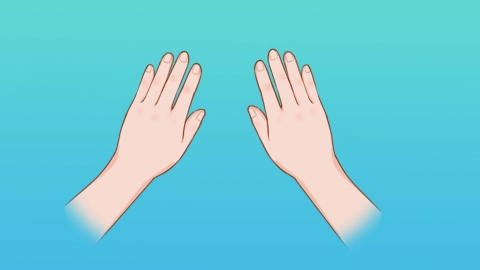
3. Chronic eczema: Triggered by prolonged exposure to allergens or irritants. Besides redness, symptoms include dry, rough skin and itching, often recurring. Potential triggers such as detergents or metals in daily contact should be investigated.
4. Allergic contact dermatitis: Caused by ongoing skin inflammation due to long-term exposure to allergens. Redness is accompanied by mild swelling, scaling, and variable degrees of itching. Symptoms may improve after removing the allergen.
5. Physiological factors: Such as repeated hand friction, emotional fluctuations, or alcohol-induced vasodilation. Redness is usually temporary or mildly persistent, without other discomfort, and can improve with lifestyle adjustments.
Routinely avoid prolonged hand friction or contact with irritants. Apply a gentle hand cream promptly after washing hands to maintain moisture. Avoid frequent alcohol consumption and staying up late, maintain emotional stability, and regularly monitor changes in the extent of redness and any accompanying symptoms.


