


What causes several itchy bumps on the feet during winter, and what should be done about it?

Several itchy bumps on the feet during winter may be caused by dry skin, excessive warmth, insect bite dermatitis, eczema, or contact dermatitis. Symptoms can be improved through moisturizing care, adjusting insulation, and medical treatment. If the number of bumps increases, itching worsens, or ulceration occurs, prompt medical attention is necessary.
1. Dry Skin: In winter, dry air causes rapid moisture loss from the skin on the feet. The resulting dry, rough stratum corneum can irritate nerves and cause itching, with bumps typically appearing as dry papules. It is recommended to soak feet in warm water daily and apply moisturizer afterward, wear breathable cotton socks, and reduce the frequency of washing feet.
2. Excessive Warmth: Wearing overly thick, non-breathable footwear traps sweat, which irritates the skin and leads to red, itchy bumps that worsen with heat. It is advised to avoid heavy socks and shoes, choose breathable materials, keep feet dry, and prevent prolonged occlusion.
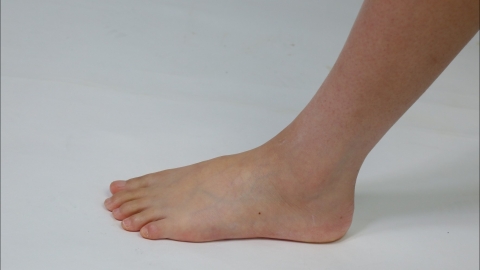
3. Insect Bite Dermatitis: Bites from indoor insects during winter leave saliva residues that trigger localized allergic reactions, causing isolated red bumps with significant itching, often worsening at night. Under medical guidance, medications such as Danpi Phenol Ointment, cooling oil, or chlorpheniramine maleate tablets may be used to relieve discomfort.
4. Eczema: Impaired skin barrier function in the feet, combined with cold and dry environmental stimuli, can lead to inflammation characterized by erythema and papules, accompanied by intense itching and a tendency to recur. Under medical supervision, topical treatments such as desonide cream, hydrocortisone butyrate cream, or anti-itch herbal ointments can help alleviate symptoms.
5. Contact Dermatitis: Exposure to allergens such as low-quality footwear, socks, or detergents can cause red bumps, erythema, and itching on the feet; scaling may occur in severe cases. Patients may use antihistamines like loratadine syrup, calamine lotion, or cetirizine hydrochloride tablets as directed by a physician to improve symptoms.
Maintain clean and dry feet, wear loose, breathable shoes and socks, avoid scratching to prevent infection, follow a light diet avoiding spicy and irritating foods, and maintain appropriate indoor humidity to support skin recovery.


