


What does it mean if I feel a bean-sized lump in my chest, and what should I do?

Finding a pea-sized lump in the chest area may be caused by conditions such as breast developmental nodules, sebaceous cysts (milia), mammary gland hyperplasia, mastitis, or sebaceous cysts. These can be managed through observation, proper hygiene, and medication. If the lump increases in size, becomes harder, or is accompanied by pain, prompt medical attention is necessary.
1. Breast developmental nodule: Hormonal changes during puberty or fluctuations in hormone levels may lead to physiological breast development, resulting in smooth, movable nodules without significant pain. It is recommended to monitor regularly, avoid pressing or stimulating the area, maintain emotional stability, and no specific treatment is usually required.
2. Sebaceous cyst (milia): Overactive sebaceous glands may cause accumulation of oil, forming small white or pale yellow hard particles without tenderness. Maintain cleanliness of the chest skin, wear breathable clothing, avoid frequent friction, and do not squeeze them manually.
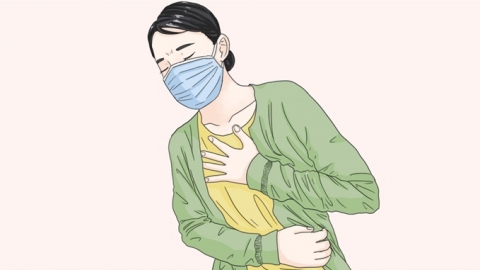
3. Mammary gland hyperplasia: Endocrine imbalance leads to excessive growth of breast tissue, forming nodular masses, possibly accompanied by breast tenderness before menstruation. Under medical guidance, medications such as Ruxiaoxiao tablets, Xiaoyao pills, or Xiaojin pills may be used to relieve symptoms.
4. Mastitis: Bacterial infection of the breast tissue causes inflammation, leading to red, swollen nodules with obvious tenderness upon pressure, possibly accompanied by fever. Under medical guidance, medications such as Cefradine capsules, Amoxicillin-Clavulanate potassium tablets, or Metronidazole gel may be used to alleviate discomfort.
5. Sebaceous cyst: Blockage of sebaceous gland ducts results in accumulation of sebum, forming soft cystic nodules. These may become red, swollen, and painful if secondarily infected. Patients may use medications such as Erythromycin ointment, Cefalexin capsules, or Fusidic acid cream under medical supervision to improve symptoms.
Maintain clean and dry chest skin, choose loose-fitting, breathable cotton clothing, avoid forceful pressing or scratching the affected area, follow a light diet avoiding spicy and irritating foods, perform regular self-examinations to monitor changes in the lump, and support overall breast health.


