


Which fades more easily, red acne marks or black acne marks?

Compared to dark acne marks, red acne marks usually fade more easily. Red marks are primarily caused by inflammatory reactions and tend to diminish relatively quickly as the skin repairs itself; in contrast, dark marks result from hyperpigmentation, which has a longer metabolic cycle and fades more slowly. The details are as follows:
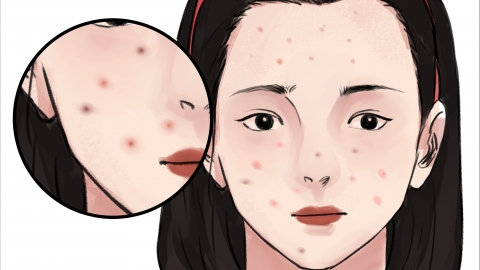
Red acne marks form due to capillary dilation or proliferation during acne inflammation, but the skin's pigment remains unaffected. As long as irritation is avoided and sun protection is maintained, the dilated blood vessels gradually constrict as inflammation subsides. Red marks typically show significant improvement within several weeks to months, and using soothing, reparative skincare products can accelerate this process.
Dark acne marks occur when melanocytes become overactive after inflammation, producing excessive melanin that deposits in the epidermis. Since melanin metabolism is much slower than vascular recovery, dark marks may take several months to over half a year to fade. Inadequate sun protection allows UV exposure to worsen pigmentation, further prolonging the fading process.
The cornerstone of daily care is strict sun protection to prevent UV-induced worsening of acne marks. For red marks, products containing centella asiatica or panthenol can help soothe inflammation; for dark marks, ingredients like vitamin C and niacinamide are recommended to inhibit melanin production.


