


What causes white discharge when squeezing the back, and what should be done about it?

White discharge from the back may be caused by excessive sebum production, keratin buildup, folliculitis, sebaceous cysts, or acne. It can be improved through skin cleansing, dietary adjustments, and medical treatment. If the discharge increases, or is accompanied by redness, swelling, pain, or enlarging lumps, prompt medical attention is recommended.
1. Excessive sebum production: The back contains abundant sebaceous glands. Hormonal fluctuations or excessive sweating can lead to overproduction of oil, which accumulates and forms white secretions. It is advisable to keep the back clean and dry, wear breathable cotton clothing, and reduce intake of high-fat and high-sugar foods.
2. Keratin buildup: Incomplete cleansing allows dead skin cells and dirt to clog pores, mixing with sebum to form white discharge. Use a gentle cleanser regularly, exfoliate mildly on a routine basis, and avoid frequent squeezing of affected areas.
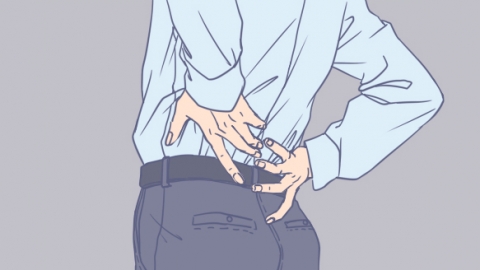
3. Folliculitis: Bacterial infection of hair follicles on the back causes inflammation, resulting in red papules. Squeezing may produce white pus-like discharge, often accompanied by mild pain. Under medical guidance, patients may use medications such as mupirocin ointment, fusidic acid cream, or cephalexin capsules to relieve symptoms.
4. Sebaceous cyst: Blockage of sebaceous gland ducts leads to accumulation of sebum and cyst formation. Pressing the cyst may release a white, curd-like substance; secondary infection may cause redness and swelling. Under medical supervision, topical erythromycin ointment, amoxicillin capsules, or metronidazole tablets may be used to alleviate discomfort.
5. Acne: Hormonal changes or bacterial infection can trigger back acne. Inflammation blocks hair follicles, producing white discharge, often with local redness and swelling. As directed by a physician, treatments such as adapalene gel, clindamycin phosphate gel, or doxycycline dispersible tablets may help improve symptoms.
Maintain clean and dry back skin, wear loose, breathable clothing, avoid scratching or squeezing affected areas, eat a light diet rich in fruits and vegetables, stay well-hydrated, and limit spicy, stimulating, and high-sugar foods to support healthy skin recovery.


