


What does it mean if there's a lump on the chest that can squeeze out pus? What should I do?

A lump on the chest that can discharge pus may be caused by excessive sebum production, clogged hair follicles, folliculitis, sebaceous cysts, or acne. Symptoms can be improved through skin cleansing, dietary adjustments, and medication. If the lump increases in size, becomes more painful, or produces more pus, prompt medical attention is necessary.
1. Excessive sebum production: The chest area contains abundant sebaceous glands. Hormonal fluctuations or excessive sweating can lead to overproduction of oil, which accumulates and forms lumps; secondary infection may result in pus discharge. It is recommended to keep the chest clean and dry, wear breathable cotton clothing, and reduce intake of high-fat and high-sugar foods.
2. Hair follicle blockage: Incomplete cleansing allows dust and dead skin cells to accumulate and block hair follicles, preventing sebum from escaping and triggering inflammation, leading to pus-filled lumps. Use a gentle cleanser to wash the chest, avoid frequent squeezing, and exfoliate regularly.
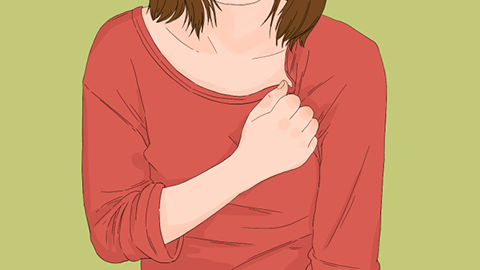
3. Folliculitis: Bacterial infection of the hair follicles on the chest causes an inflammatory response, resulting in red papules that develop into pustules accompanied by mild pain. Patients may use mupirocin ointment, fusidic acid cream, or cefuroxime axetil tablets under medical guidance to relieve symptoms.
4. Sebaceous cyst: Blockage of the sebaceous gland duct leads to accumulation of sebum and formation of a cyst. Secondary bacterial infection can cause the cyst to become purulent. The lump feels soft and may discharge pus when squeezed. Under medical supervision, erythromycin ointment, amoxicillin capsules, or metronidazole tablets may be used to alleviate discomfort.
5. Acne: Hormonal changes or bacterial infection can trigger chest acne. As inflammation worsens, pustules form and may discharge pus, often accompanied by local redness, swelling, and pain. Patients may follow medical advice to use adapalene gel, clindamycin phosphate gel, or doxycycline dispersible tablets to improve symptoms.
Maintain clean and dry skin on the chest, avoid squeezing or scratching the affected area with hands, wear loose and breathable clothing, eat a light diet rich in fruits and vegetables, drink plenty of water, and reduce consumption of spicy and irritating foods to support skin recovery.


