


What happens if lichen pilaris is left untreated?

If not treated promptly, lichen spinulosus may lead to persistent symptoms, worsening skin itching, impaired appearance and self-confidence, secondary skin infections, and delayed diagnosis and treatment of underlying diseases. The specific analysis is as follows:
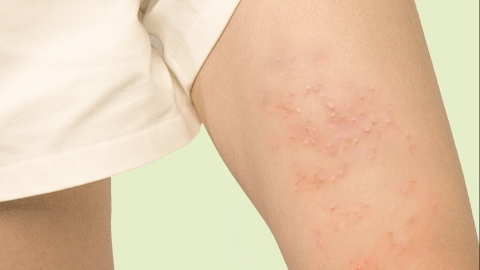
1. Persistent symptoms: Lichen spinulosus typically presents as tiny, follicular papules the size of pinpoints, commonly densely distributed on the neck, trunk, and limbs. Without treatment, these papules usually do not resolve quickly on their own and may persist for months or even years, continuously affecting skin condition.
2. Worsening skin itching: Some patients experience mild itching after onset. Without intervention, itching may gradually intensify when the skin is exposed to external stimuli. Frequent scratching further damages the skin barrier, creating a vicious cycle of "itching-scratching-increased itching."
3. Impact on appearance and self-confidence: The dense small papules in affected areas make the skin appear rough and uneven. Especially when located in visible areas, this can significantly affect physical appearance. Such changes may cause patients to feel self-conscious or inferior, reluctant to wear short sleeves, skirts, or other revealing clothing, and may even impact normal social activities.
4. Secondary skin infection: Scratching can break the skin, allowing external bacteria or fungi to invade the wounds and cause secondary infections such as folliculitis or impetigo. These infections may result in redness, swelling, pain, and exudation, increasing discomfort and making subsequent treatment more difficult.
5. Delayed diagnosis and treatment: In rare cases, lichen spinulosus may be associated with vitamin A deficiency, endocrine abnormalities, or other underlying medical conditions. Failure to treat may lead to neglecting the investigation of these potential causes, allowing primary diseases to progress unchecked and missing optimal opportunities for early intervention, potentially leading to additional health problems.
For patients without symptoms or with only mild symptoms, close observation may be acceptable. However, for those with obvious symptoms that affect daily life or are at risk of secondary infection, lack of treatment may result in ongoing discomfort and skin complications. The key lies in establishing an accurate diagnosis, assessing disease severity and its impact on quality of life, and making individualized decisions under the guidance of a physician.


