


What should I do if my fingers suddenly turn white and then return to normal?

Fingers suddenly turning pale and then returning to normal can be managed by observing the frequency of episodes, identifying triggers, paying attention to accompanying symptoms, improving local circulation, and recording details of each episode. This phenomenon is often related to blood vessel constriction and circulatory fluctuations, which may indicate underlying health concerns. Seek medical advice promptly if episodes occur frequently, are accompanied by numbness or pain, or involve abnormal skin coloration.
1. Monitor Episode Frequency: Record how often the paleness occurs and how long each episode lasts. Occasional episodes without discomfort may reflect normal physiological variation; however, frequent occurrences should raise concern for vascular or neurological issues.
2. Identify Triggers: Reflect on whether episodes follow exposure to cold water, emotional stress, excessive fatigue, or medication use. Cold exposure and stress responses can trigger temporary vasoconstriction leading to pallor.
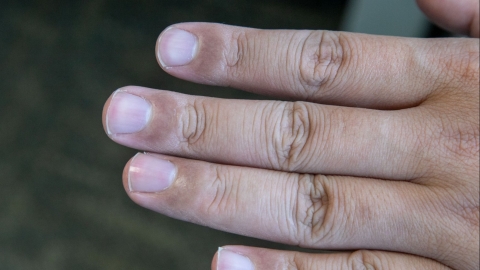
3. Watch for Accompanying Symptoms: If numbness, pain, cold sensation, or bluish discoloration accompany the paleness, it may indicate Raynaud's phenomenon or peripheral circulatory disorders. The absence of other symptoms makes a physiological cause more likely.
4. Improve Local Circulation: Avoid maintaining the same posture for prolonged periods. Warm your hands promptly after contact with cold water, and perform gentle finger exercises to enhance blood flow and reduce the risk of vasospasm.
5. Document Episode Details: Note how many fingers are affected, as well as the environment and activity during each episode. Accurate records can aid medical evaluation and help identify potential conditions.
In daily life, keep hands warm to avoid cold exposure, maintain emotional stability to minimize stress responses, avoid overexertion and hand injuries, follow a regular sleep schedule, and engage in moderate physical activity to promote overall circulation and reduce the likelihood of symptom recurrence.


