


Are apocrine glands regenerative tissues?
Nov 29, 2025
Source: Cainiu Health

Dr. Li Feng
Introduction
Under normal circumstances, apocrine glands are not regenerative tissues. It is important to maintain cleanliness in areas where apocrine glands are distributed, especially regions such as the armpits and areolae. Promptly cleaning sweat can reduce bacterial growth and associated body odor. Avoid frequent friction or irritation to these areas to prevent abnormal secretions caused by external damage to the apocrine glands.
Generally, apocrine glands are not considered regenerative tissue. The specific analysis is as follows:
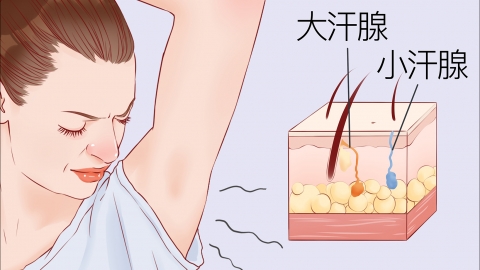
Apocrine gland cells are highly differentiated and lack sufficient stem cell reserves to achieve regeneration and repair. Due to their highly specialized structure and function, once damaged—such as through surgical removal or severe injury—the glandular tissue cannot divide and proliferate to form new glandular structures. As a result, the function of apocrine glands in the affected area cannot be restored. This is precisely why related surgical procedures can provide long-term improvement for conditions such as excessive sweating and body odor.
In daily life, it's important to maintain cleanliness in areas where apocrine glands are distributed, especially regions like the armpits and areolae. Promptly cleaning sweat helps reduce bacterial growth and associated odor. Avoid frequent friction or irritation in these areas to prevent abnormal secretion due to physical damage. Wearing loose, breathable clothing reduces localized heat and moisture, lowering the likelihood of abnormal apocrine gland secretion. Additionally, reducing dietary intake of spicy and stimulating foods can help prevent increased glandular secretion triggered by such foods.



