


How can you make your skin sweat quickly?

To achieve rapid sweating through the skin, methods such as moderate exercise, adjusting environmental temperature, increasing fluid intake, using heat therapy, and wearing appropriate clothing can be employed. These approaches stimulate sweat gland activity from different angles, facilitating sweat excretion. A detailed analysis is as follows:
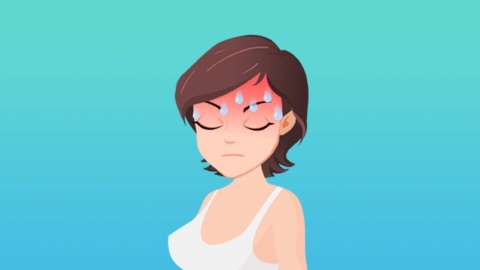
1. Moderate Exercise: Engage in low- to moderate-intensity activities such as brisk walking, jogging, or rope skipping. Muscle contractions during exercise generate heat, prompting the body to activate sweat glands to maintain thermal balance. Exercise intensity should be sufficient to slightly increase heart rate and produce a warm sensation, avoiding overexertion that may lead to fatigue. Noticeable sweating typically occurs after 15–20 minutes of exercise.
2. Adjusting Environmental Temperature: Enter warmer environments, such as heated indoor spaces or sunny outdoor areas, or use air conditioning or heating systems to raise ambient temperature. When the surrounding temperature exceeds body temperature, skin temperature rises accordingly, triggering sweat glands to initiate perspiration for effective heat dissipation.
3. Increasing Fluid Intake: Drink an adequate amount of warm water beforehand to replenish bodily fluid reserves. Sufficient hydration provides the necessary raw material for sweat production, ensuring that sweat glands have enough fluid available for excretion when stimulated. It is recommended to drink small amounts frequently, avoiding excessive single intakes that could burden the body.
4. Using Heat Therapy: Wipe sweat-prone areas—such as the neck, armpits, and groin—with a warm towel, or take a brief warm-water bath. Thermal stimulation directly affects the skin surface, dilating pores and sweat ducts, thereby accelerating sweat secretion and expulsion.
5. Choosing Appropriate Clothing: Wear breathable, moisture-wicking cotton garments, avoiding synthetic or tight-fitting clothes that hinder skin respiration. Loose clothing allows air circulation over the skin, promoting heat accumulation and stimulating sweat gland activity for faster perspiration.
During the sweating process, it is important to promptly replenish fluids and electrolytes to prevent dehydration. Additionally, individuals should adjust these methods according to their physical condition; if symptoms such as dizziness or weakness occur, activity should be stopped immediately and rest taken.


