What causes female seborrheic alopecia?
Nov 29, 2025
Source: Cainiu Health

Dr. Liu Wenmin
Introduction
Female androgenetic alopecia is primarily caused by genetic factors, hormonal changes, abnormal sebum secretion, psychological stress, and nutritional or metabolic imbalances. If you experience ongoing hair loss or thinning on the scalp, it is advisable to seek medical evaluation promptly. This condition follows a polygenic inheritance pattern, and in women, it typically presents as diffuse thinning of hair on the crown, with increased sensitivity of hair follicles to dihydrotestosterone.
Female seborrheic alopecia is primarily caused by genetic factors, hormonal changes, abnormal sebum secretion, psychological stress, and nutritional or metabolic imbalances. If you experience ongoing hair loss or thinning on the scalp, it is advisable to seek medical evaluation promptly.
1. Genetic factors: This follows a polygenic inheritance pattern. In women, it typically presents as diffuse thinning of hair on the crown. Hair follicles become increasingly sensitive to dihydrotestosterone (DHT), leading to progressive miniaturization of follicles and disruption of the normal hair growth cycle.
2. Hormonal changes: Fluctuations in estrogen levels during pregnancy, postpartum, or menopause, as well as hormonal disorders caused by conditions like polycystic ovary syndrome (PCOS), can interfere with hair follicle function and trigger or worsen hair loss.
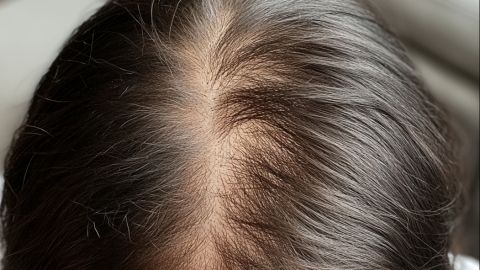
3. Abnormal sebum secretion: Overactive sebaceous glands on the scalp produce excess oil, which can clog hair follicle openings, impairing follicular respiration and nutrient absorption. This environment also promotes the growth of microorganisms such as Malassezia, causing scalp inflammation and follicular damage.
4. Psychological stress: Chronic anxiety, sleep deprivation, and excessive fatigue may lead to nervous system dysfunction, impairing scalp blood circulation and endocrine balance, suppressing follicular activity, and increasing hair shedding.
5. Nutritional and metabolic imbalances: Insufficient intake of protein, B vitamins, and essential trace elements such as iron and zinc can hinder keratin synthesis in hair, resulting in brittle, easily shed hair and exacerbating symptoms of seborrheic alopecia.
Daily care should include maintaining scalp cleanliness, using mild, oil-controlling shampoos, avoiding frequent perming or dyeing, adhering to regular sleep patterns to reduce late nights, maintaining a balanced diet, gently massaging the scalp to improve blood circulation, and minimizing scalp irritation to support healthy hair follicles.