


What should I do if small bumps appear next to the wound and it's very itchy?
Nov 29, 2025
Source: Cainiu Health

Dr. Li Feng
Introduction
Small granules accompanied by itching appear near the wound. This can be managed by cleaning and disinfecting the wound, avoiding scratching or irritation, identifying potential allergic factors, applying topical soothing medications, and monitoring changes in symptoms. These symptoms are often related to normal healing responses or mild infection. If the granules increase, itching worsens, or signs such as redness, swelling, or pus develop, prompt medical attention is recommended. Rinse the wound and surrounding skin with saline solution, then
Small granules accompanied by itching near the wound can be managed through cleaning and disinfecting the wound, avoiding scratching or irritation, identifying potential allergens, applying soothing topical medications, and monitoring symptom changes. These symptoms are often related to normal healing responses or mild infection. If the granules increase, itching worsens, or signs such as redness, swelling, or pus appear, prompt medical attention is recommended.
1. Clean and disinfect the wound: Rinse the wound and surrounding skin with normal saline, then gently disinfect with iodophor to remove debris and pathogens. This helps reduce itching caused by irritation. Avoid using alcohol, which may exacerbate discomfort.
2. Avoid scratching and irritation: Do not scratch the itchy granules, as this may break the skin and lead to secondary infection. Relieve itching by gently tapping the area or applying cold compresses. Keep fingernails trimmed to prevent unintentional scratching.
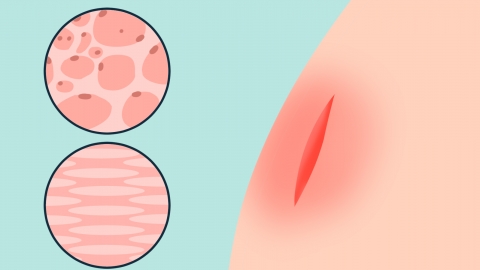
3. Identify possible allergic factors: Consider whether there has been exposure to new dressings, medications, or clothing. If an allergic reaction is suspected, discontinue use immediately and switch to non-irritating medical-grade dressings to minimize ongoing allergen exposure.
4. Apply soothing topical medications: Under medical guidance, use calamine lotion topically to relieve itching and promote drying, or apply a gentle antibacterial ointment sparingly. Avoid self-medicating with potent corticosteroid creams.
5. Monitor symptom progression: Keep track of the number, color, and appearance of granules, as well as the severity of itching. If symptoms persist or worsen within 1–2 days, consider possible infection or worsening allergy and take appropriate action promptly.
Maintain good ventilation and keep the wound area dry. Wear loose, breathable clothing to minimize friction. Follow a light diet avoiding spicy or irritating foods, and ensure adequate intake of protein and vitamins to support wound healing and reduce the risk of adverse reactions.




