


Why does my scalp hurt when I brush my hair, and what should I do about it?

Scalp pain when brushing hair may be caused by excessive hair pulling, dry and tight scalp, folliculitis, seborrheic dermatitis, or tension headaches. This can be improved through looser hairstyles, moisturizing care, or medical treatment. If the pain persists or worsens, or is accompanied by redness, swelling, or flaking, prompt medical attention is recommended.
1. Excessive Hair Pulling: Wearing tight hairstyles such as high ponytails or buns for long periods continuously pulls on the scalp, causing localized pain that worsens when hair is brushed. It is advised to switch to looser hairstyles, reduce tight hair binding, and avoid prolonged pulling on the same scalp area.
2. Dry and Tight Scalp: In dry climates or with overly frequent shampooing, the scalp loses moisture, leading to a dry, tight stratum corneum. Friction during hair brushing can then trigger pain. Reduce shampoo frequency, use a gentle, moisturizing shampoo, and apply a scalp hydrating serum after washing.
3. Folliculitis: Bacterial infection of scalp hair follicles causes inflammation, resulting in redness and swelling around the follicles. Pain occurs when brushing hair due to contact or pulling, sometimes accompanied by small pustules. Under medical guidance, topical or oral medications such as mupirocin ointment, cefuroxime axetil tablets, or iodine tincture may be used to relieve symptoms.
4. Seborrheic Dermatitis: Abnormal sebum production or Malassezia fungal infection triggers inflammation, causing redness, flaking, and itching of the scalp. Brushing hair irritates affected areas, leading to pain. Patients may use selenium sulfide shampoo, ketoconazole cream, or vitamin B6 supplements under medical supervision to alleviate discomfort.
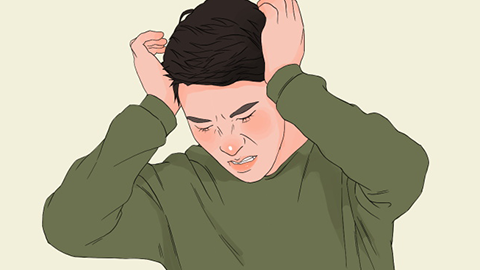
5. Tension Headaches: Stress or lack of sleep increases sensitivity of scalp nerves, and the pulling sensation from brushing hair may trigger episodic pain along nerve pathways. As directed by a physician, medications such as ibuprofen sustained-release capsules, mecobalamin tablets, or oryzanol tablets may help relieve symptoms.
To maintain scalp health, keep the scalp clean using gentle hair care products, avoid frequent dyeing or heat styling to minimize irritation, maintain regular sleep patterns and emotional well-being, avoid excessive hair pulling, and gently massage the scalp to promote blood circulation and support scalp recovery.


