


Is it an allergy if your mouth itches after eating seafood?

Whether mouth itching after eating seafood is due to an allergy depends on specific symptoms. In most cases, it is an allergic reaction, but in a few instances, it may be discomfort caused by irritation from the seafood or spoilage, rather than a true allergy.
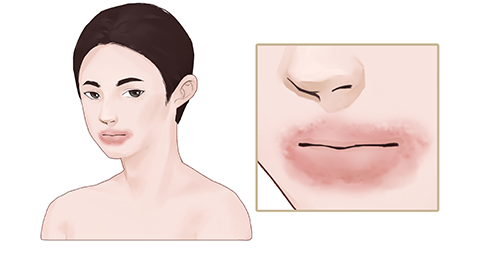
If mouth itching is accompanied by oral mucosal swelling, rashes, or mild abdominal pain, it is likely a seafood allergy. Foreign proteins in seafood can stimulate the immune system to release histamine, causing these symptoms. These reactions typically subside gradually as the body metabolizes the allergens. Affected individuals should immediately stop consuming seafood.
If only mild itching occurs without other abnormalities, it might be due to irritating components naturally present in the seafood or because the seafood was not fresh. For example, enzymes in undercooked seafood can temporarily irritate the oral mucosa. This condition usually requires no special treatment and resolves on its own.
Before eating seafood, always ensure its freshness. When trying an unfamiliar type of seafood for the first time, start with a small amount. If you are clearly allergic to seafood, avoid consuming it altogether. When experiencing mouth itching, drink plenty of water to promote metabolism, and avoid scratching or wiping the mouth with irritating substances.


