


What causes small red blisters on the leg, and what should be done about it?

Red small blisters on the legs may be caused by mosquito or insect bites, friction irritation, eczema, contact dermatitis, herpes zoster, etc. Preventive and treatment measures such as mosquito protection, reducing friction, and medication can help improve the condition. Seek medical attention promptly if blisters rupture and become infected or if pain worsens.
1. Mosquito or insect bites: In summer or outdoor environments, mosquito or insect bites inject venom into the leg skin, triggering a local inflammatory reaction that results in red small blisters accompanied by itching. It is recommended to take preventive measures against mosquitoes, wear long sleeves and pants, avoid scratching, and clean the bite area with soapy water.
2. Friction irritation: Prolonged walking or wearing tight, non-breathable clothing can cause repeated friction and pressure on the leg skin, leading to fluid leakage and the formation of red small blisters, possibly accompanied by mild swelling or discomfort. It is advised to switch to loose, breathable cotton clothing and comfortable shoes and socks, reduce prolonged walking, and avoid rubbing the affected area.
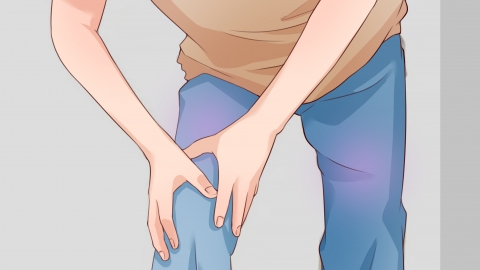
3. Eczema: Individuals with allergic constitutions may develop skin inflammation upon exposure to allergens such as pollen or dust mites, or due to dry skin, resulting in red small blisters on the legs, accompanied by intense itching, dryness, and flaking. It is recommended to use medications such as calamine lotion, desonide cream, and loratadine syrup under medical guidance to alleviate symptoms.
4. Contact dermatitis: When leg skin comes into contact with irritating or allergenic substances such as detergents or metal accessories, an inflammatory reaction occurs, causing red small blisters along with itching and a burning sensation. It is recommended to use medications such as hydrocortisone butyrate cream, mupirocin ointment, and cetirizine drops under medical supervision to relieve discomfort.
5. Herpes zoster: Infection with the varicella-zoster virus affects nerve regions, leading to clusters of red small blisters on the legs distributed along nerve pathways, accompanied by intermittent stabbing or burning pain. Patients may follow medical advice to use acyclovir cream, mecobalamin tablets, and ibuprofen suspension to manage symptoms.
Maintain clean and dry leg skin, avoid scratching blisters to prevent rupture and infection. Choose mild, non-irritating skincare products, follow a light diet avoiding spicy and stimulating foods, and regularly apply moisturizers to keep the skin hydrated and support skin recovery.


