


Can vigorous scrubbing during bathing cause hives?

Whether vigorous scrubbing during bathing causes urticaria depends on the condition of the skin and the method used. It typically does not trigger urticaria if the skin is healthy and the scrubbing is moderate; however, it may induce urticaria if the skin is sensitive or the scrubbing is too forceful.
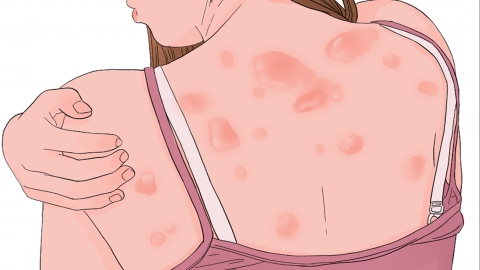
For individuals with intact skin barrier function and no allergic predisposition, gentle exfoliation helps clean the skin without stimulating the skin's immune system, thus not causing urticaria. After regular bathing, such individuals maintain stable skin conditions, without abnormal itching or rashes.
For those with sensitive skin or underlying skin conditions, aggressive scrubbing can damage the skin barrier, stimulate nerve endings beneath the skin, and prompt mast cells to release histamine, leading to urticaria. This results in symptoms such as hives and itching. Scrubbing should be stopped immediately, and the skin should be gently rinsed with lukewarm water.
In daily care, it is important to use soft bathing tools, control the pressure and frequency of scrubbing, and avoid frequent use of strongly alkaline cleansers. Bath water temperature should ideally be between 37–40 °C. After bathing, moisturizing lotion should be applied promptly to repair the skin barrier and reduce the risk of developing urticaria.


