


Why does hemangioma turn red after applying timolol hydrochloride?

Generally, redness after applying timolol hydrochloride on hemangiomas may be caused by initial vasoconstrictive stimulation from the medication, transient local skin adaptation, drug allergy, impaired skin barrier, or contact dermatitis. If abnormalities occur, prompt medical consultation is recommended. Detailed analysis is as follows:
1. Initial vasoconstrictive stimulation: Timolol hydrochloride acts on hemangiomas by constricting blood vessels. During the initial phase, the active ingredient may stimulate the vessel walls, leading to temporary local redness. If no other discomfort is present, continued observation is advised. Typically, after several days of use, the skin gradually adapts and redness diminishes.
2. Transient local skin adaptation: The skin over hemangiomas is often delicate. When first exposed to topical medications, it may require time to adapt, potentially resulting in mild redness. Maintain cleanliness and dryness of the area, follow prescribed dosing instructions strictly, and avoid adjusting dosage independently to support skin adaptation.
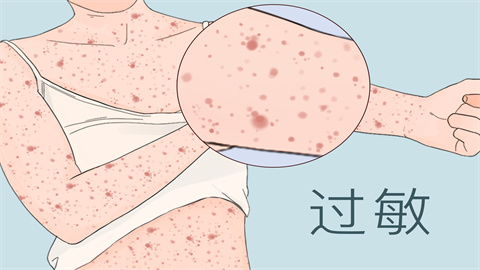
3. Drug allergy: Allergic reaction to timolol hydrochloride may trigger localized inflammatory responses upon contact, manifesting as redness, itching, and rash; severe cases may involve blister formation. Discontinue the medication immediately. After medical evaluation, calamine lotion or hydrocortisone butyrate cream may be applied topically, and oral loratadine tablets can help alleviate allergic symptoms. A revised treatment plan will be necessary thereafter.
4. Impaired skin barrier: Vigorous rubbing during application or pre-existing micro-damage on the skin surface over the hemangioma can compromise the skin barrier, intensifying drug irritation and causing redness accompanied by dryness and sensitivity. Under medical guidance, temporarily discontinue or reduce medication use. Apply vitamin E cream or hyaluronic acid gel to aid barrier repair, resuming regular treatment only after skin recovery.
5. Contact dermatitis: Prolonged use of timolol hydrochloride may lead to persistent skin irritation and induce contact dermatitis, characterized by well-defined redness, scaling, and itching, which may persist even after discontinuation. Medication should be stopped under physician supervision, and topical treatments such as tacrolimus ointment or pimecrolimus cream may be prescribed for dermatitis management.
In daily care, apply the medication gently to avoid friction on the hemangioma site. Monitor skin response after each application and maintain proper local hygiene. Seek immediate medical attention if redness progressively worsens or is accompanied by pain or exudation. Strictly follow medical advice when adjusting treatment regimens and avoid self-management that could delay proper care.


